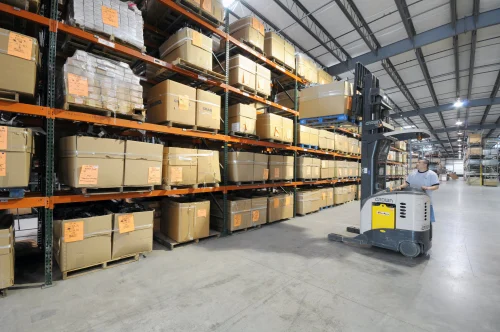
Warehousing is no longer just about storing goods safely. By 2026, warehouses will become intelligent, data-driven ecosystems that balance speed, accuracy, sustainability, and workforce well-being. Global supply chain disruptions, rising customer expectations, and strict compliance standards have accelerated the need for Warehouse Automation Trends that are both technologically advanced and environmentally responsible.
Insights inspired by Maersk’s integrated logistics perspective highlight how automation, digital platforms, and sustainability initiatives are reshaping modern warehouses. From robotics and AI to energy-efficient infrastructure and smart inventory systems, these trends are redefining how goods move, how risks are reduced, and how operational health is protected.
For logistics partners like Quick Packers Movers, staying aligned with these trends is essential to deliver reliable moving services, secure warehouse services, and seamless packers and movers solutions in 2026 and beyond.
Why Warehousing Is Transforming Rapidly in 2026
Several global forces are driving rapid change in warehousing:
- Increased demand for faster, error-free order fulfilment
- Growth of e-commerce, pharmaceuticals, and temperature-sensitive goods
- Focus on worker safety, ergonomics, and reduced occupational risk
- Sustainability goals linked to environmental and public health outcomes
- Workforce digitisation and structured hiring, including interest in central warehousing corporation recruitment
These pressures have made warehouse digital transformation a strategic priority rather than an optional upgrade.
Warehouse Automation Trends Shaping 2026
Robotics and Autonomous Material Handling
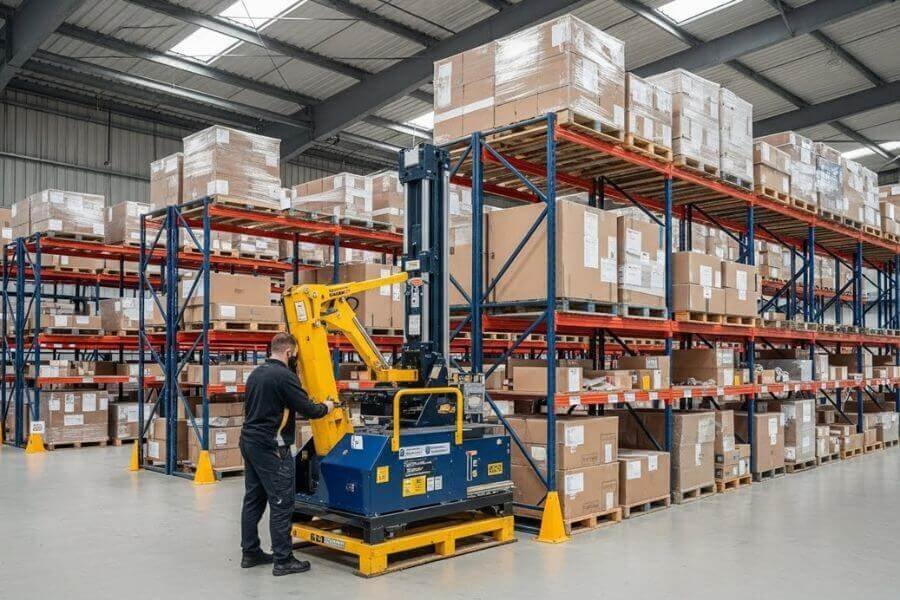
One of the strongest Warehouse Automation Trends is the adoption of autonomous mobile robots (AMRs) and automated guided vehicles (AGVs). These systems:
- Reduce manual lifting injuries
- Improve picking accuracy
- Support round-the-clock operations
- Enhance infection-control standards by limiting unnecessary human contact
From a health and safety perspective, automation lowers musculoskeletal strain and workplace accidents, contributing to better long-term workforce outcomes.
Artificial Intelligence and Predictive Analytics
AI-driven warehouse automation technology enables predictive demand planning, intelligent slotting, and real-time risk management. Key benefits include:
- Early detection of inventory shortages
- Reduced wastage of perishable or sensitive goods
- Improved compliance with storage protocols
In sectors such as healthcare logistics, AI reduces the risk of expired or compromised inventory, supporting patient safety indirectly through better supply chain integrity.
Smart Warehouse Technology for Real-Time Control
Internet of Things (IoT) Integration
Smart warehouse technology uses IoT sensors to monitor:
- Temperature and humidity
- Equipment performance
- Energy consumption
- Asset movement
This continuous monitoring ensures safer storage environments, especially for pharmaceuticals, food products, and medical devices. It also reduces spoilage-related waste, supporting sustainability and public health goals.
Digital Twins and Simulation Models
Digital twins create virtual replicas of warehouses, allowing managers to simulate layout changes, emergency scenarios, and workflow optimization without real-world risk. Benefits include:
- Improved emergency preparedness
- Reduced downtime during upgrades
- Safer implementation of automation systems
This technology strengthens operational resilience and worker safety simultaneously.
Warehouse Management Systems as the Core of Automation
Cloud-Based Warehouse Management Systems (WMS)
Modern warehouse management systems act as the central nervous system of automated warehouses. In 2026, advanced WMS platforms offer:
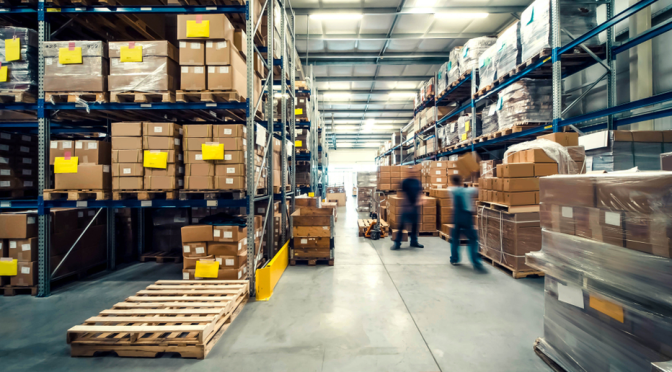
- Real-time inventory visibility
- Automated compliance reporting
- Seamless integration with transport and moving services
Cloud-based systems also enable remote monitoring, reducing the need for on-site intervention and supporting safer operational practices.
WMS and Workforce Health Optimisation
Advanced WMS solutions can optimise shift planning, task rotation, and workload distribution. This helps:
- Reduce worker fatigue
- Lower error rates
- Improve long-term occupational health
Such features align with E-E-A-T principles by promoting responsible, evidence-based operational practices.
Sustainability as a Core Warehousing Strategy
Green Infrastructure and Energy Efficiency
Sustainable warehousing in 2026 focuses on:
- Solar-powered facilities
- Energy-efficient lighting and HVAC systems
- Smart energy management platforms
These measures reduce carbon emissions and improve indoor air quality, benefiting workers' respiratory health and overall well-being.
Sustainable Packaging and Waste Reduction
Automation supports precise packaging, minimising excess materials. For packers and movers, this results in:
- Reduced packaging waste
- Lower transportation emissions
- Safer handling due to standardised packing
Sustainable packaging practices also support compliance with environmental and health regulations.
Warehouse Digital Transformation and Data Security
End-to-End Digital Visibility
Warehouse digital transformation connects inventory, transportation, and customer platforms into a single data ecosystem. Advantages include:
- Faster response to disruptions
- Improved traceability for regulated goods
- Reduced risk of contamination or misplacement
This level of transparency is especially critical in healthcare and food supply chains.
Cybersecurity and Data Integrity
As warehouses become more digital, cybersecurity becomes a health and safety concern. Protecting data integrity ensures:
- Accurate inventory records
- Secure handling of sensitive client information
- Reduced operational disruptions that could affect essential supplies
Responsible data management is now part of warehouse risk prevention strategies.
Workforce Evolution and Centralised Recruitment Trends
Skills for Automated Warehousing
Automation does not eliminate jobs; it transforms them. In 2026, demand is growing for:
- Automation technicians
- Data analysts
- Safety and compliance officers
This aligns with structured hiring initiatives, including the central warehousing corporation recruitment, which emphasises standardised training and operational excellence.
Health-Focused Training and Ergonomics
Modern warehouses invest in training programs focused on:
- Safe interaction with robots
- Ergonomic task design
- Mental well-being in tech-driven environments
Such initiatives reduce workplace injuries and support sustainable workforce development.
Impact on Moving Services and Logistics Providers
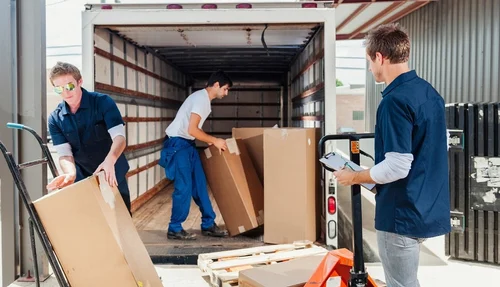
For companies offering moving services and warehouse services, these trends redefine service quality. Automation enables:
- Faster loading and unloading
- Reduced damage to goods
- Better tracking during relocation
Brands like Quick Packers Movers benefit by integrating smart warehousing practices into their logistics and storage solutions, ensuring reliability and client trust.
Role of Warehousing Trends in Risk Reduction and Public Health
Efficient warehousing directly influences public health by:
- Preventing supply shortages of essential goods
- Reducing contamination risks
- Supporting faster emergency response logistics
Automation and sustainability together create safer, more resilient supply chains that protect communities indirectly.
Future Outlook Beyond 2026
Looking ahead, warehousing will continue to evolve with:
- Greater AI autonomy
- Increased use of renewable energy
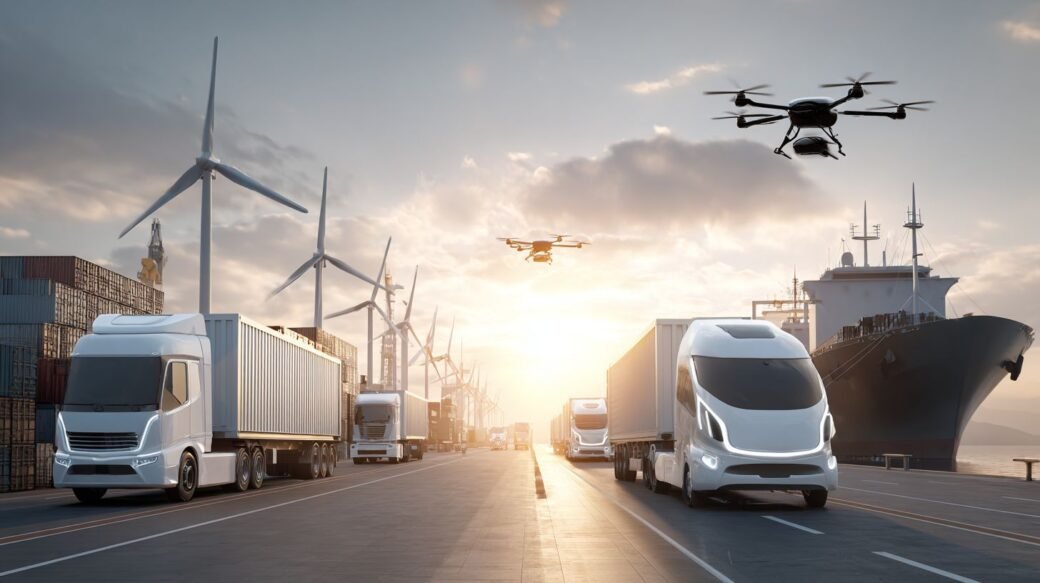
- Deeper integration between warehouses and transport networks
Organisations that invest early in Warehouse Automation Trends will be better positioned to meet regulatory, environmental, and health-related expectations.
FAQs: Warehouse Automation Trends in 2026
1. What are the key Warehouse Automation Trends in 2026?
The main trends include robotics, AI-driven analytics, smart warehouse technology, advanced warehouse management systems, and sustainability-focused infrastructure.
2. How does warehouse automation improve worker safety?
Automation reduces manual lifting, repetitive tasks, and exposure to hazardous environments, lowering injury rates and supporting long-term occupational health.
3. Why are warehouse management systems important?
Warehouse management systems provide real-time visibility, compliance tracking, and workload optimisation, making operations safer and more efficient.
4. How does sustainability benefit warehousing operations?
Sustainable practices reduce energy costs, improve air quality, minimise waste, and align operations with environmental and public health standards.
5. What skills are required for automated warehouses?
Skills include system monitoring, robotics maintenance, data analysis, and safety compliance, often supported by structured recruitment programs.
6. How do these trends impact moving and storage services?
They improve speed, accuracy, and safety in packers and movers operations, enhancing customer trust and service reliability.
Conclusion
Warehousing in 2026 stands at the intersection of technology, sustainability, and human well-being. The rise of Warehouse Automation Trends, smart systems, and digital transformation is not just improving efficiency, it is reshaping safety standards, environmental responsibility, and workforce health.
For logistics providers and customers alike, partnering with forward-thinking companies ensures access to secure, compliant, and future-ready solutions. Quick Packers Movers continues to adapt to these evolving warehousing trends, offering dependable warehouse services, intelligent storage, and professional relocation support.
If you are planning storage, relocation, or long-term logistics solutions, consulting an experienced provider aligned with modern warehousing practices can help you stay prepared for 2026 and beyond.
.webp)
.webp)
.webp)









.jpg)



.png)


.png)














.webp)












.jpg)