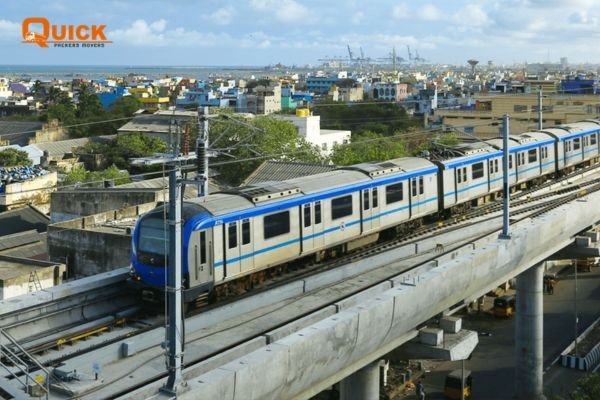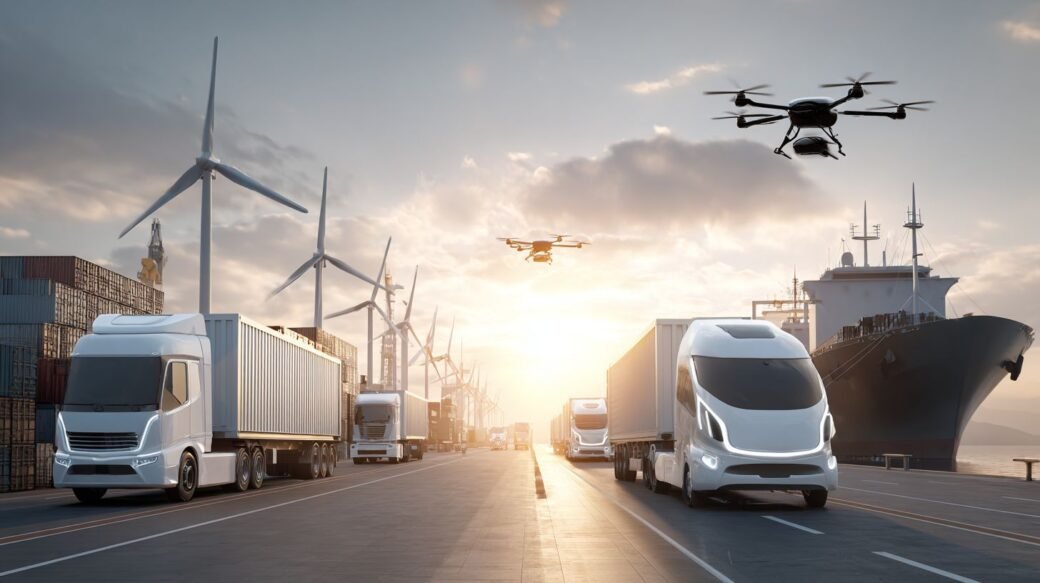
The transportation industry is rapidly evolving as cities, businesses, and consumers seek safer, cleaner, and more efficient mobility solutions. In 2026, major technological innovations, sustainability goals, and smarter logistics are transforming how people and vehicles move across cities and countries. These Public transportation trends are not only influencing daily commuting but also shaping the broader vehicle transportation and logistics sector, including car shipping services and relocation support from packers and movers.
For individuals relocating vehicles, businesses shipping fleets, or logistics providers managing large-scale operations, staying informed about these trends is essential. Companies such as Quick Packers Movers are adapting to these changes by incorporating modern transportation methods, digital tools, and environmentally responsible practices.
This article explores the top transportation trends shaping vehicle transportation services in 2026, their impact on public mobility, and how they are redefining logistics and relocation services.
The Evolution of Public Transportation Trends in 2026
Urban populations continue to grow, increasing demand for efficient transport systems. Governments and private companies are investing heavily in infrastructure, electrification, and automation to reduce traffic congestion, improve public health, and lower carbon emissions.
Several factors are driving this transformation:
- Rapid urbanization
- Climate change policies
- Technological innovation
- Growing demand for sustainable logistics
- Digitalisation of mobility services
These developments are shaping the Future of public transport, influencing everything from city buses to vehicle shipping networks.
1. Electrification of Transport: The Rise of Electric Buses
One of the most significant Public transportation trends is the widespread adoption of Electric buses. Cities worldwide are replacing diesel-powered fleets with electric alternatives to reduce air pollution and greenhouse gas emissions.
Electric buses provide several benefits:
- Reduced carbon emissions
- Lower operating costs
- Quiet operation
- Improved urban air quality
For example, many cities are rapidly expanding their electric bus fleets as part of sustainability initiatives. Electric buses have become a major component of urban transit systems and now carry a large share of daily riders in several metropolitan areas.
Advancements in battery technology and fast-charging infrastructure are making these buses more efficient and practical for large-scale deployment. Charging innovations can power buses in as little as 20 minutes, allowing fleets to operate with minimal downtime.
Impact on Vehicle Transportation Services
The growth of electric fleets affects logistics providers as well. Car shipping services must adapt to:
- Transporting electric vehicles safely
- Handling lithium-ion battery regulations
- Using specialised equipment for EV transport
Companies like Quick Packers Movers increasingly integrate EV-friendly transport solutions when relocating vehicles.
2. Autonomous Public Transportation
Another major development shaping Public transportation trends is the emergence of Autonomous public transportation. Self-driving buses, robotaxis, and autonomous shuttle services are gradually transitioning from pilot programs to real-world operations.
Autonomous technology aims to improve safety and efficiency because human error contributes to over 90% of traffic accidents.
Key benefits include:
- Reduced traffic accidents
- Improved route efficiency
- Lower operational costs
- Increased accessibility for elderly and disabled passengers
Several cities are already testing driverless electric buses capable of operating on predefined routes using cameras, sensors, and AI technology.
Influence on Logistics and Vehicle Shipping
Autonomous vehicles could significantly transform car shipping services by enabling:
- Self-driving vehicle delivery
- Automated fleet movement
- Reduced labor costs
- Faster vehicle relocation
While full adoption may take time due to regulations and safety concerns, autonomous technology is expected to play a crucial role in the Future of public transport.
3. Sustainable Transportation and Green Logistics
Environmental sustainability has become a central focus for governments and businesses worldwide. As a result, Sustainable transportation is a defining trend for 2026.
Transportation contributes significantly to global greenhouse gas emissions. To address this issue, organisations are implementing strategies such as:
- Electrification of vehicles
- Renewable energy charging stations
- Carbon-neutral shipping
- Eco-friendly vehicle transport methods
Electric buses powered by renewable energy sources such as solar and wind are already being tested in several regions. These systems reduce reliance on fossil fuels and support long-term climate goals.
Sustainable Car Shipping
Modern car shipping services are also adopting greener practices, including:
- Fuel-efficient transport trucks
- Optimised route planning
- Reduced empty carrier trips
- Hybrid or electric transport vehicles
These steps help logistics companies reduce environmental impact while improving operational efficiency.
4. Smart Mobility and AI-Driven Transportation Systems
Artificial intelligence (AI) is revolutionising transportation systems worldwide. Smart mobility solutions use real-time data, cloud computing, and predictive analytics to improve efficiency and passenger experience.
AI-driven transportation systems can:
- Predict traffic patterns
- Optimise vehicle routes
- Improve fleet management
- Enhance safety monitoring
For example, AI-powered systems can automatically adjust bus routes, manage delays, and predict maintenance needs.
Benefits of Vehicle Transportation Services
Logistics companies are also adopting AI technology to improve operations.
AI helps packers and movers and vehicle shipping companies by:
- Predicting optimal transport routes
- Reducing delivery delays
- Improving vehicle tracking systems
- Enhancing customer communication
These innovations allow companies like Quick Packers Movers to deliver faster and more reliable transportation services.
5. Mobility-as-a-Service (MaaS)
Mobility-as-a-Service (MaaS) is transforming how people access transportation. Instead of owning vehicles, users can access multiple transportation options through a single digital platform.
A typical MaaS platform integrates:
- Public buses
- Ride-sharing services
- Bike-sharing
- Metro systems
- Car rentals
With mobile apps and contactless payments becoming common, travellers can plan, book, and pay for entire journeys through one platform.
This integration improves convenience and encourages more people to use shared mobility instead of private cars.
6. Digitalisation and Contactless Travel
Another emerging trend in Public transportation trends is digitalisation. Modern transportation systems are shifting toward fully digital experiences.
Key innovations include:
- Contactless ticketing
- Mobile-based travel cards
- Real-time tracking apps
- Digital route planning
These technologies improve passenger convenience while reducing operational costs for transit agencies.
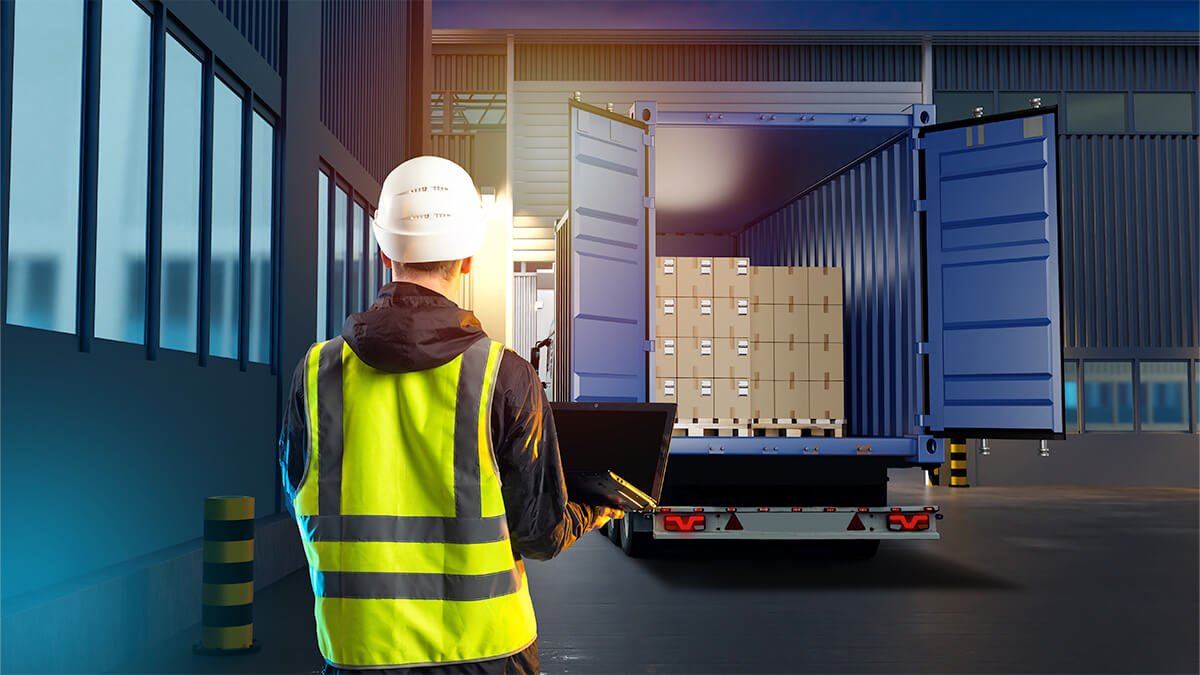
For vehicle shipping companies, digital tools also enhance transparency. Customers can now track vehicle shipments in real time, receive automated updates, and schedule transport services online.
7. Integration of Micro-Mobility Solutions
Micro-mobility solutions such as e-scooters, e-bikes, and shared electric mopeds are increasingly integrated into urban transport systems.
These options provide flexible short-distance travel solutions and reduce reliance on private vehicles.
Cities are investing in:
- Dedicated bike lanes
- Micro-mobility parking zones
- Charging stations
Micro-mobility complements traditional transit systems and supports the overall Future of public transport.
8. Improved Accessibility and Inclusive Transportation
Accessibility is becoming a priority for transportation planners. New transport vehicles and systems are designed to accommodate passengers with disabilities, elderly individuals, and families with children.
Examples of accessibility improvements include:
- Low-floor buses
- Wheelchair-friendly vehicles
- Audio and visual navigation systems
- Priority seating areas
These improvements make transportation safer and more inclusive for everyone.
9. Growth of Integrated Logistics and Relocation Services
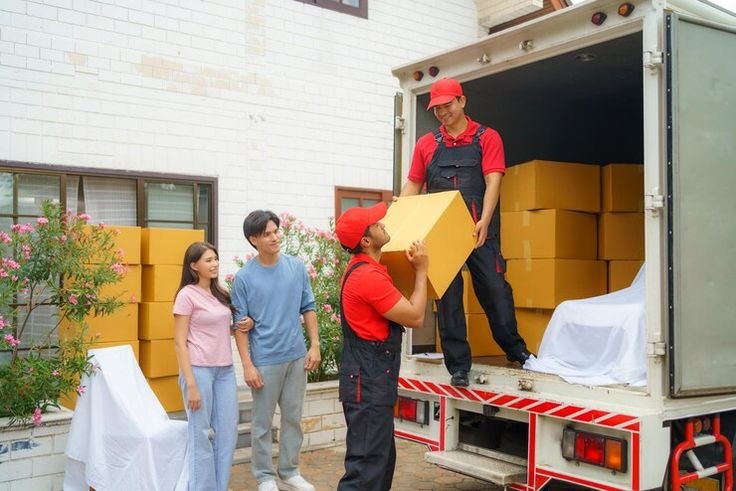
Vehicle transportation services are increasingly integrated with relocation solutions offered by packers and movers.
When individuals relocate to a new city or state, they often require multiple services, including:
- Household relocation
- Vehicle shipping
- Storage solutions
- Temporary transportation
Companies like Quick Packers Movers combine these services to offer a seamless relocation experience.
Integrated services provide several advantages:
- Cost savings
- Simplified logistics
- Faster delivery
- Improved customer experience
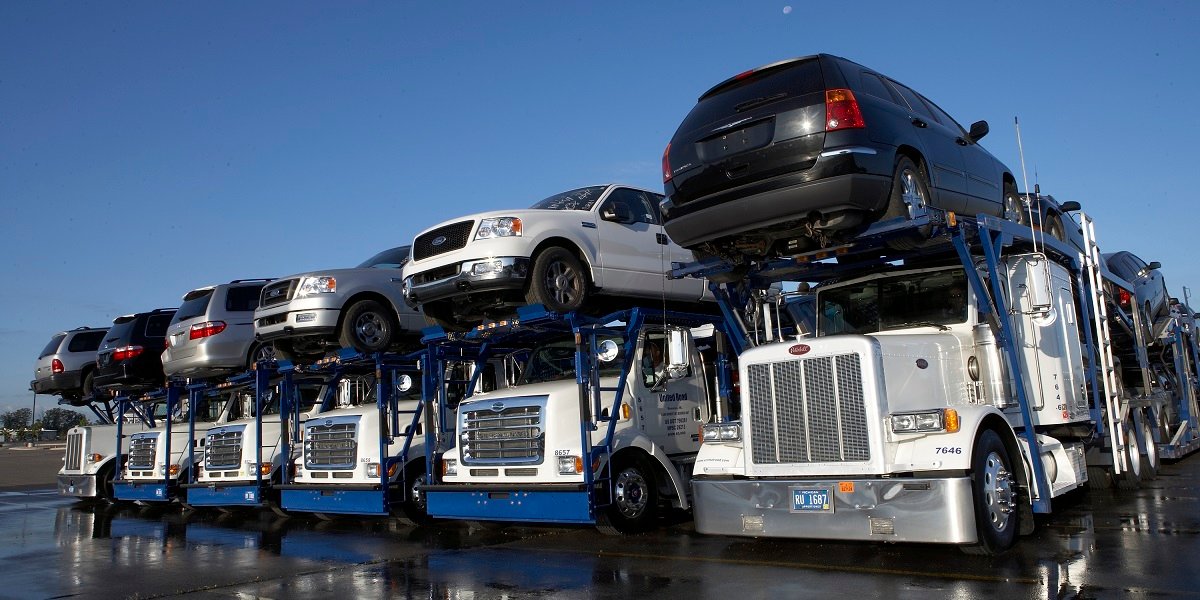
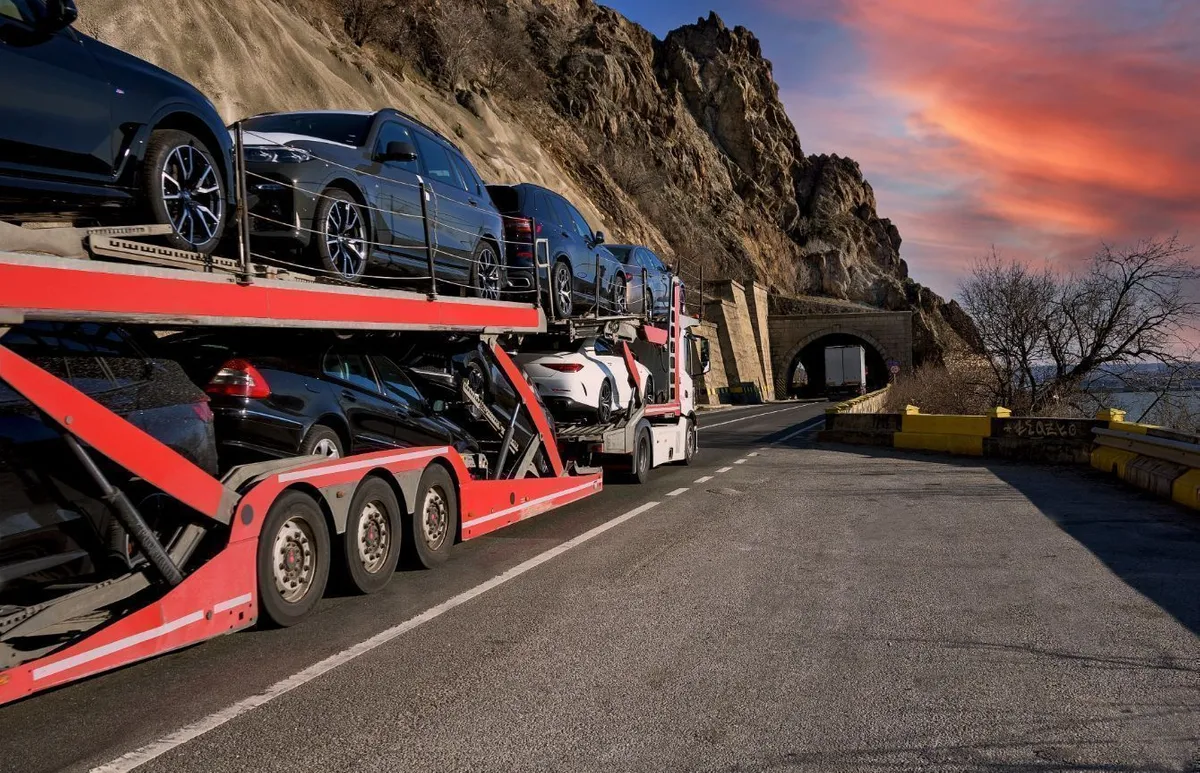
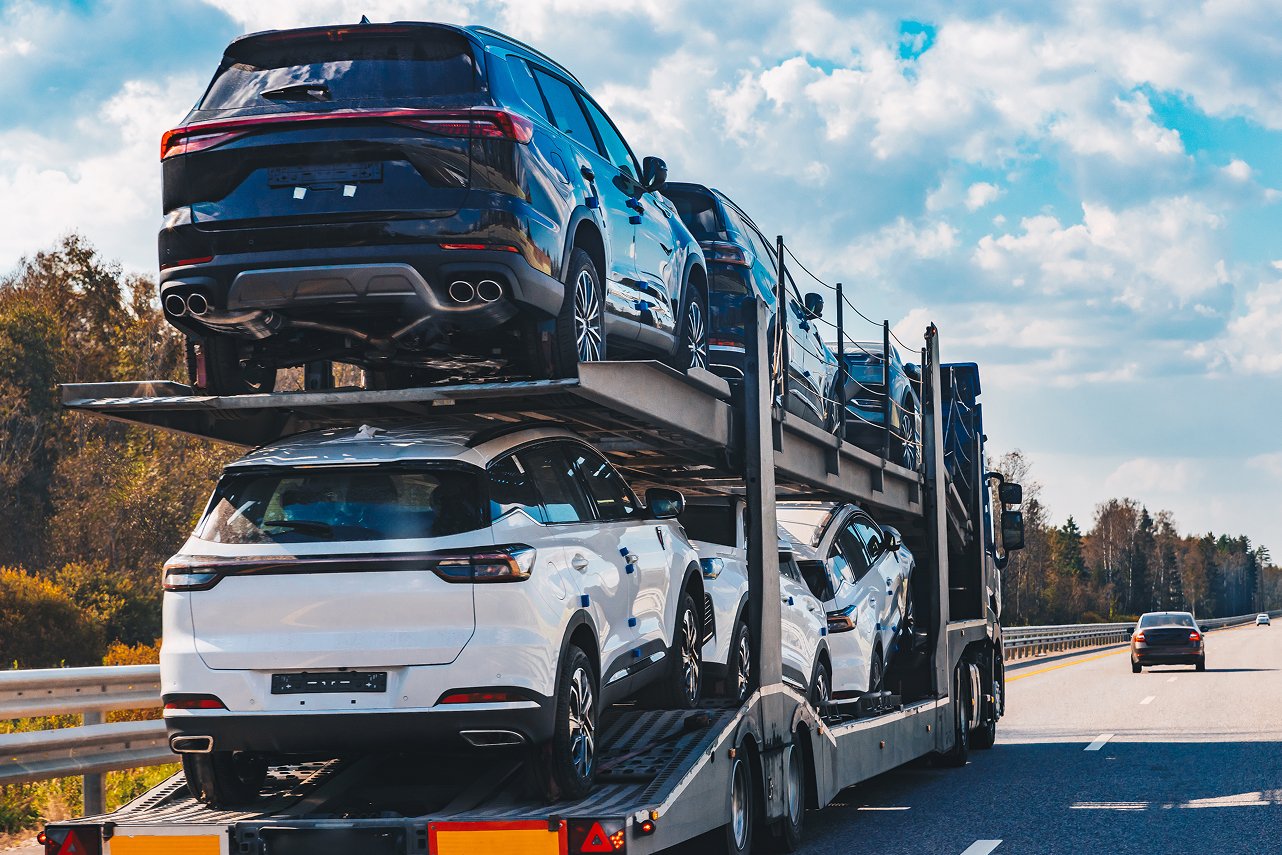
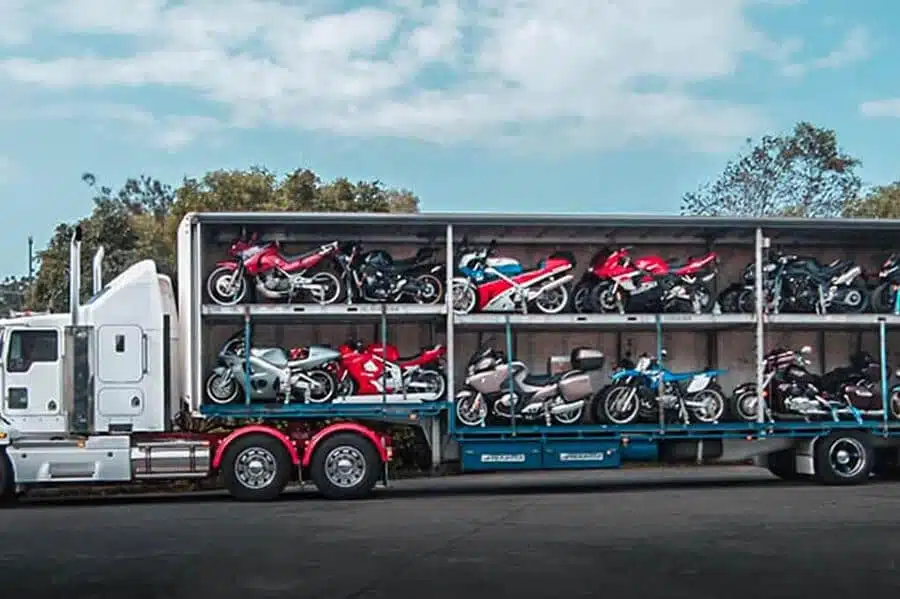
10. Expansion of Vehicle Transportation and Car Shipping Services
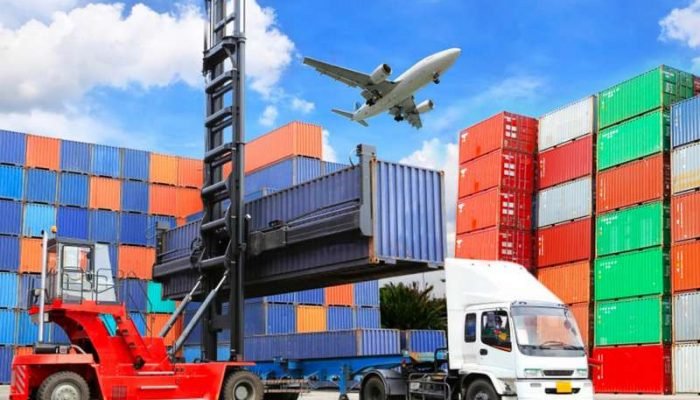
The demand for car shipping services continues to grow due to increasing vehicle ownership, online car sales, and long-distance relocation.
Major trends in vehicle shipping include:
- Door-to-door vehicle delivery
- Enclosed vehicle transport for luxury cars
- International car shipping
- Real-time vehicle tracking
These services are especially valuable for individuals moving to new cities, purchasing vehicles online, or transporting multiple vehicles.
Logistics companies are investing in technology and infrastructure to support this expanding market.
How These Trends Benefit Consumers
The transformation of transportation systems offers numerous benefits for individuals and businesses.
Key Advantages
1. Reduced Environmental Impact
Electric vehicles and sustainable practices lower carbon emissions.
2. Improved Safety
Autonomous and AI-driven technologies reduce accidents.
3. Greater Convenience
Digital platforms simplify transportation planning and booking.
4. Faster Logistics
Advanced routing systems improve delivery speed.
5. Cost Efficiency
Optimised transport systems reduce operational costs.
These benefits are helping modern transportation systems become more reliable and user-friendly.
The Role of Quick Packers Movers in Modern Vehicle Transportation
As transportation technologies evolve, logistics providers must adapt to new trends and customer expectations.
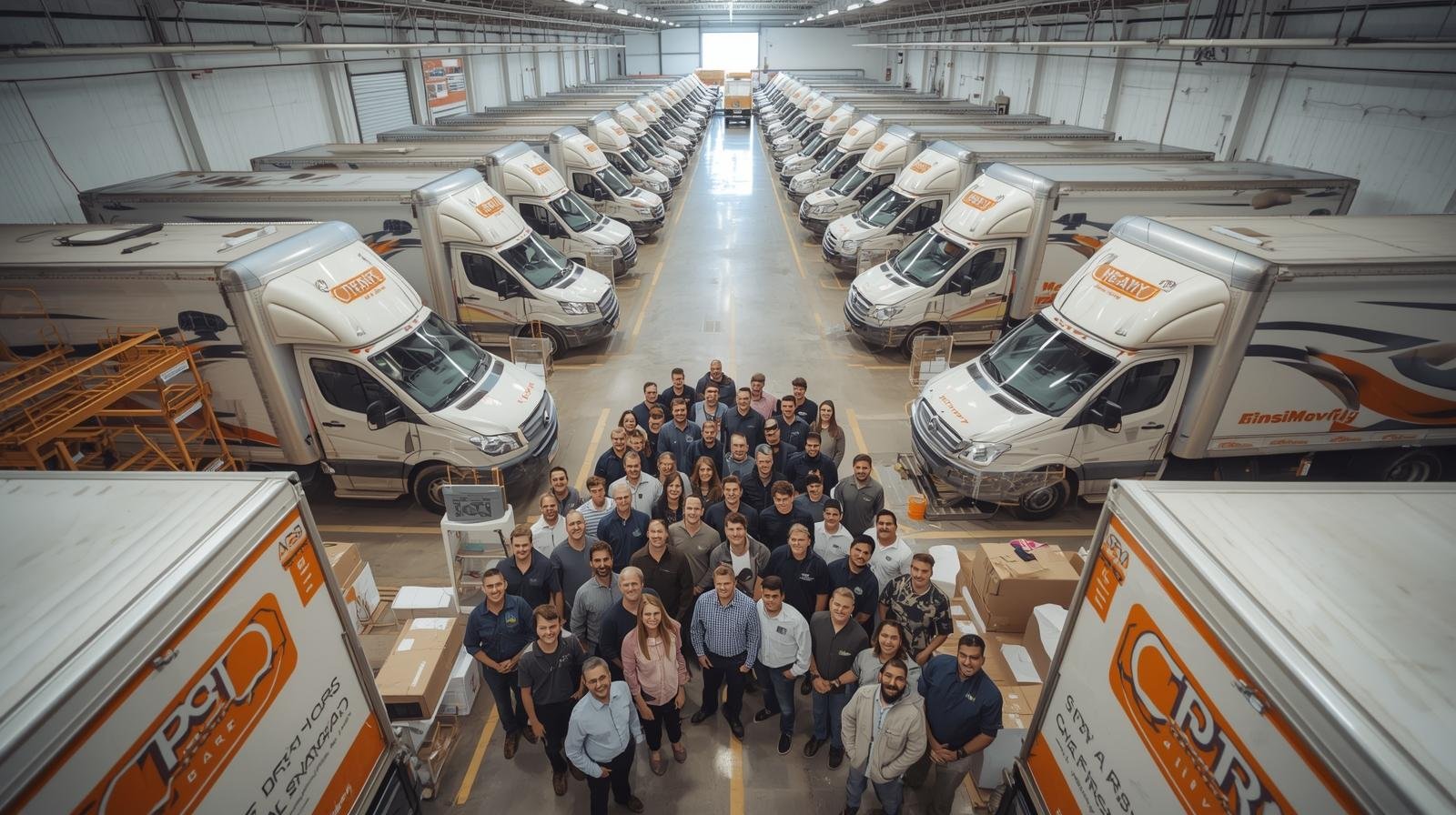
Quick Packers Movers integrates modern vehicle transportation practices to support safe, efficient, and reliable vehicle relocation.
Their services align with emerging industry trends by focusing on:
- Safe vehicle handling
- Advanced tracking systems
- Professional relocation services
- Customer-focused logistics solutions
By staying aligned with Public transportation trends and logistics innovations, companies like Quick Packers Movers help customers transport vehicles with confidence and peace of mind.
Frequently Asked Questions (FAQs)
1. What are the most important public transportation trends in 2026?
Some of the most important Public transportation trends include electric buses, autonomous vehicles, AI-powered mobility systems, sustainable transportation practices, and digital ticketing platforms.
2. How are electric buses improving public transportation?
Electric buses reduce air pollution, lower operating costs, and operate more quietly than diesel buses. They also support sustainability goals by reducing greenhouse gas emissions.
3. What is autonomous public transportation?
Autonomous public transportation refers to self-driving buses or shuttles that operate using sensors, artificial intelligence, and advanced navigation systems without requiring a human driver.
4. How do car shipping services work?
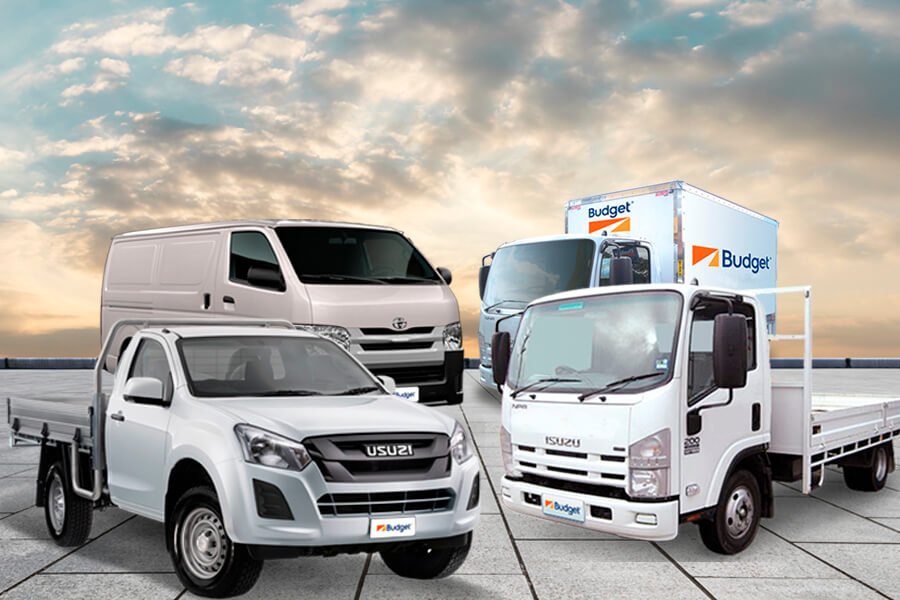
Car shipping services transport vehicles from one location to another using specialized carriers. Customers can choose between open transport, enclosed transport, and door-to-door delivery depending on their needs.
5. Why are sustainable transportation solutions important?
Sustainable transportation reduces pollution, conserves energy, and supports long-term environmental protection while improving public health and urban living conditions.
6. When should I use packers and movers for vehicle relocation?
You should consider packers and movers when relocating to a new city or state, purchasing a vehicle from another location, or transporting multiple vehicles safely and efficiently.
Conclusion
The transportation landscape is undergoing a significant transformation in 2026. Innovations such as Electric buses, Autonomous public transportation, AI-powered mobility systems, and Sustainable transportation initiatives are reshaping the way people and vehicles move across cities and regions.
These developments are not only improving public mobility but also influencing vehicle relocation services, logistics operations, and car shipping services. Businesses and consumers alike benefit from faster, safer, and more environmentally responsible transportation solutions.
As the Future of public transport continues to evolve, logistics companies must adopt modern technologies and sustainable practices to meet growing demands.
If you are planning to relocate your vehicle or need professional transportation assistance, consulting experienced providers like Quick Packers Movers can help ensure safe, reliable, and efficient vehicle transport.
.webp)
.webp)
.webp)










.jpg)



.png)


.png)













.webp)













.jpg)