Choosing the right moving truck size prevents damage, cuts extra trips, and saves money on your move. Use truck size, load capacity, home size, and distance as the main filters when you decide.
Understanding Truck Sizes in India
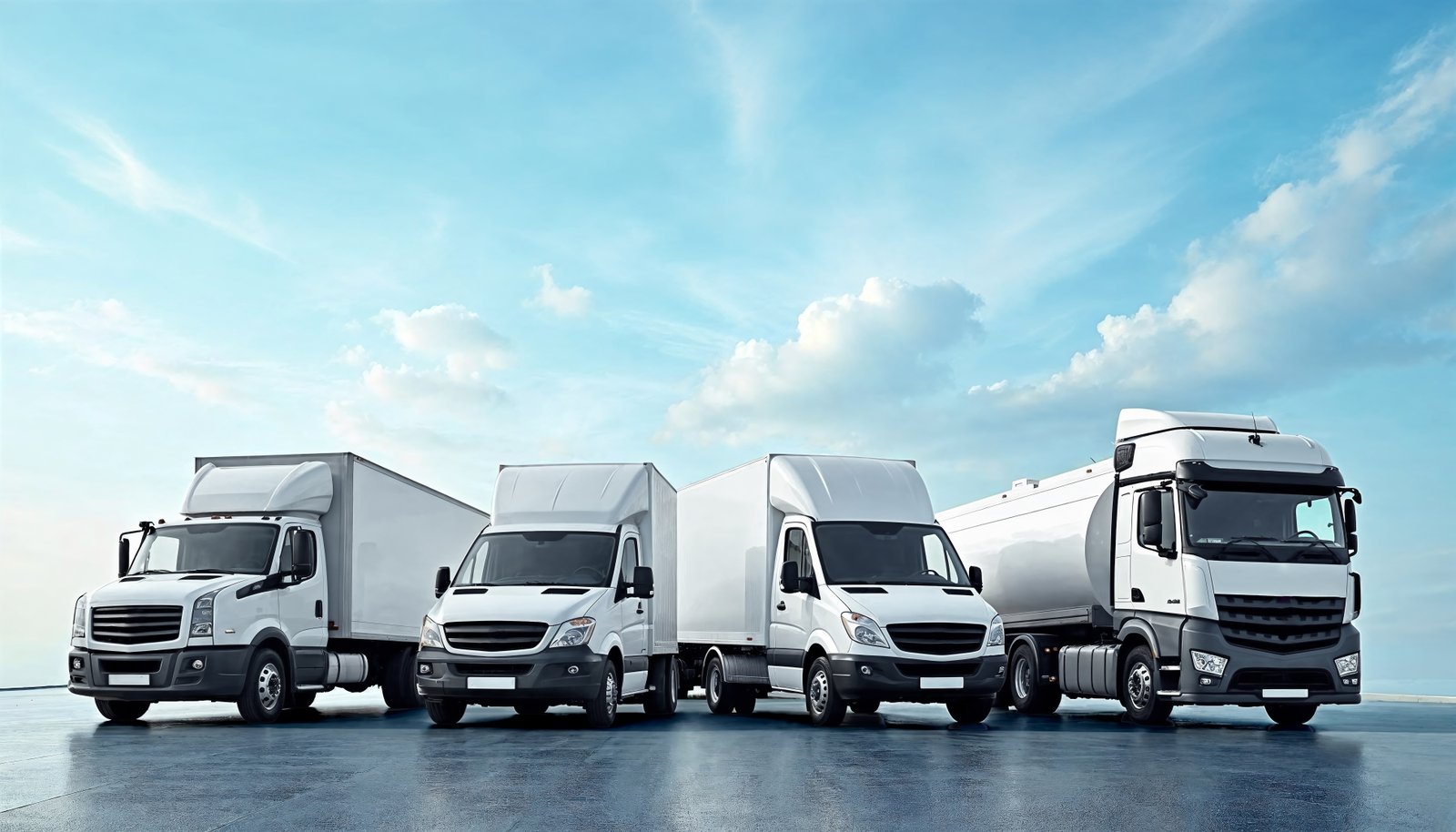
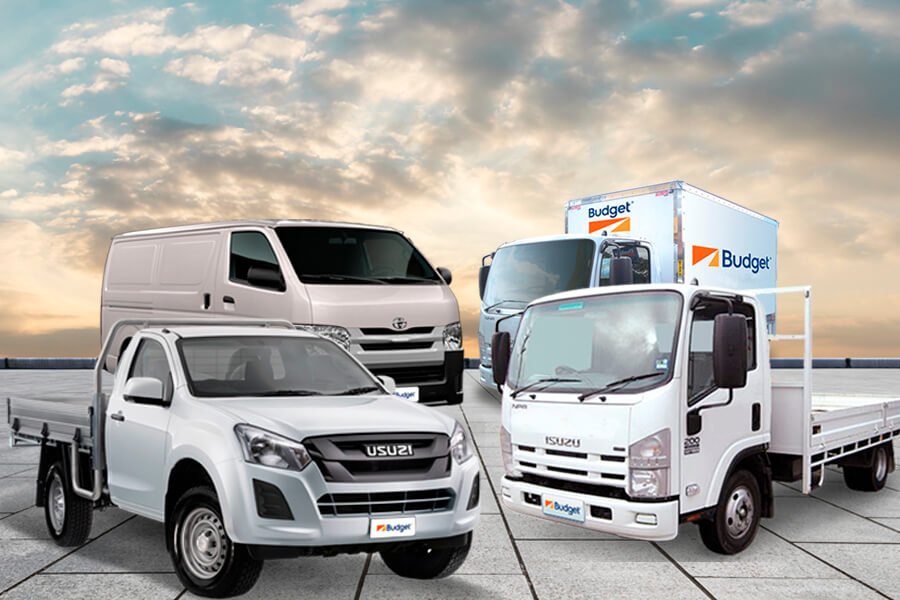
In India, moving trucks are broadly grouped into small, medium, and large, each suited to a different home size and distance range. Picking the right segment is the first step.?
-
Small trucks (about 7–9 ft) are best for studio and 1 BHK local moves within the city.?
-
Medium trucks (14–19 ft) suit 2–3 BHK homes and small offices, working for both local and up to ~600 km moves.?
-
Large trucks (20–24 ft) handle 3–5 BHK or villa moves over long distances of 1000–1500 km or more.?
Once you know your approximate home size and moving distance, you can quickly narrow the options.
Small-Sized Trucks (7–9 ft)
Small trucks like Tata Ace, pickup vans, and Tata 407 are common for city shifting and light loads. They are easy to maneuver in narrow streets and tight parking.?
-
Ideal for:
-
Studio apartments and regular/small 1 BHK homes.
-
1–2 rooms worth of household goods.
-
-
Approximate capacity and use cases:
-
7 ft: around 850 kg, good for a studio or a few home goods.
-
8 ft: around 1500 kg, suits a regular 1 BHK.
-
9 ft: up to 2500 kg, can handle a larger 1 BHK (around 1000 sq.ft).?
-
Use a small truck when you are doing a local move, have limited furniture, and are okay with possibly making two short trips if required.
Medium-Sized Trucks (14–19 ft)
Medium trucks such as Canter, LPT, LCV, and DCM are the workhorses for standard family moves and small offices. They balance capacity with reasonable running cost.?
-
Ideal for:
-
2 BHK and 3 BHK homes.
-
3–5 rooms of belongings, including furniture and appliances.
-
-
Typical variants:
-
14 ft truck: carries about 4000 kg, usually enough for a standard 2 BHK for local shifting.
-
17 ft truck: around 5000 kg, suitable for large 2 BHK or 3 BHK moves within ~600 km.
-
19 ft truck: 7000–9000 kg, ideal for 3 BHK or long-distance moves for 2 BHK where extra space is needed.
-
Choose a medium truck if you want to finish in one trip and have an average 2–3 BHK set-up with regular furniture.
Large-Sized Trucks (20–24 ft)
Large trucks are meant for big homes, villas, or relocations with many rooms and furniture pieces over long distances. They may be harder to park and maneuver but save multiple long trips.?
-
Ideal for:
-
3–5 BHK apartments, independent houses, and villas.
-
5–7 rooms of furniture, appliances, and packed boxes.
-
-
Common size options:
-
20 ft: around 7000 kg, suits 3–4 BHK homes.
-
22 ft: about 10000 kg, good for 3 BHK or villa-level goods.
-
24 ft: 7000–14000 kg, handles 3–5 BHK or large villa moves over 1000–1500 km.?
-
Pick a large truck for outstation relocations where you need everything shifted in one secure load.
Key Factors When Choosing Truck Size
A few practical factors help finalize the exact truck size beyond just BHK count.?
-
Load capacity:
-
Never overload a truck; it risks damage to both vehicle and goods.
-
Too much empty space can also cause goods to shift and become unstable during transit, so aim for a reasonably full but not overstuffed load.?
-
-
Truck dimensions and access:
-
Check if the truck can enter your lane, society gate, basement, or parking area.
-
Consider height clearances under low bridges, apartment gates, and trees.?
-
-
Transport cost and trips:
-
A smaller truck might be cheaper per trip but can end up costing more if you need multiple runs.
-
A bigger truck uses more fuel but often completes the move in one go, saving time and handling.?
-
-
Vehicle availability and rules:
-
Popular truck sizes get booked quickly in peak seasons; pre-booking helps secure better rates.
-
Check local rules for truck timings, no-entry zones, and parking restrictions at both pickup and drop locations.?
-
How to Estimate Your Required Truck Size
Estimating your goods properly makes truck selection straightforward. ?
-
Make an inventory:
-
List all major items room-wise—beds, wardrobes, sofa sets, dining table, fridge, washing machine, cupboards, boxes, etc.
-
Note bulky and heavy items separately because they influence space and load capacity more than small cartons.?
-
-
Use volume calculators or apps:
-
Online moving calculators use standard dimensions (for beds, sofas, appliances) to approximate total volume and suggest a truck size.
-
These tools can be especially helpful if it is your first move and you are unsure how much space your goods occupy.?
-
-
Consider special and fragile items:
-
Large furniture, pianos, exercise machines, or double-door fridges may need extra space or special handling.
-
Fragile, antique, or high-value items may require dedicated padding, crates, or separation zones inside the truck.?
-
-
Factor in distance:
-
For short-distance local moves, a slightly smaller truck with two trips might be acceptable if it fits your budget and timing.
-
For long-distance or intercity moves, choose a size that comfortably fits everything in one trip to reduce risk and stress.?
-
Why the Right Truck Size Matters
Choosing the right truck size makes your move safer, faster, and more economical.?
-
Optimal use of space: The correct size prevents overpacking or wasted empty volume, helping your goods stay stable in transit.?
-
Safety: Properly matched load and truck capacity support safe handling, braking, and smoother driving.?
-
Time and cost savings: Fewer trips mean lower fuel and labor costs as well as less loading/unloading time and effort.?
Planning early, reserving the right vehicle, and honestly assessing your home’s inventory will help you pick a moving truck that fits your needs without nasty surprises on moving day.
.webp)
.webp)
.webp)









.jpg)



.png)


.png)















.webp)













.jpg)