.jpg "How Smart Homes Are Changing Apartment Living in 2026")
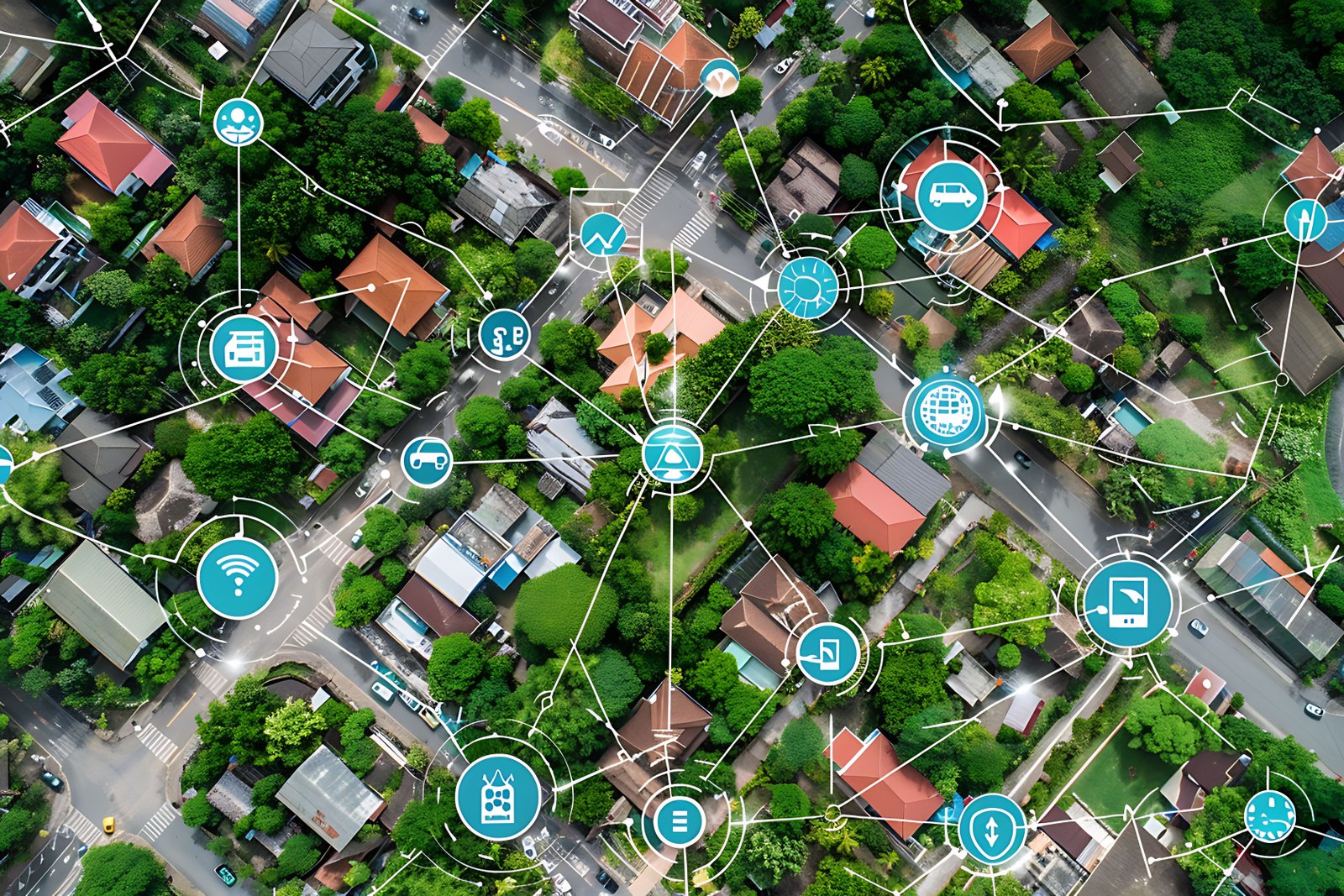
Modern cities are evolving rapidly, and technology is transforming how people live inside their homes. In 2026, Smart Home Technology is becoming one of the most influential innovations shaping modern Apartment Living. From voice-controlled lighting to intelligent security systems, smart solutions are making apartments safer, healthier, and more convenient than ever before.
Urban residents today prefer homes that simplify daily routines while improving comfort and efficiency. This demand has given rise to Smart Apartments equipped with advanced Home Automation Systems, connected devices, and integrated digital platforms. These technologies allow residents to control their home environment using smartphones, voice assistants, or automated schedules.
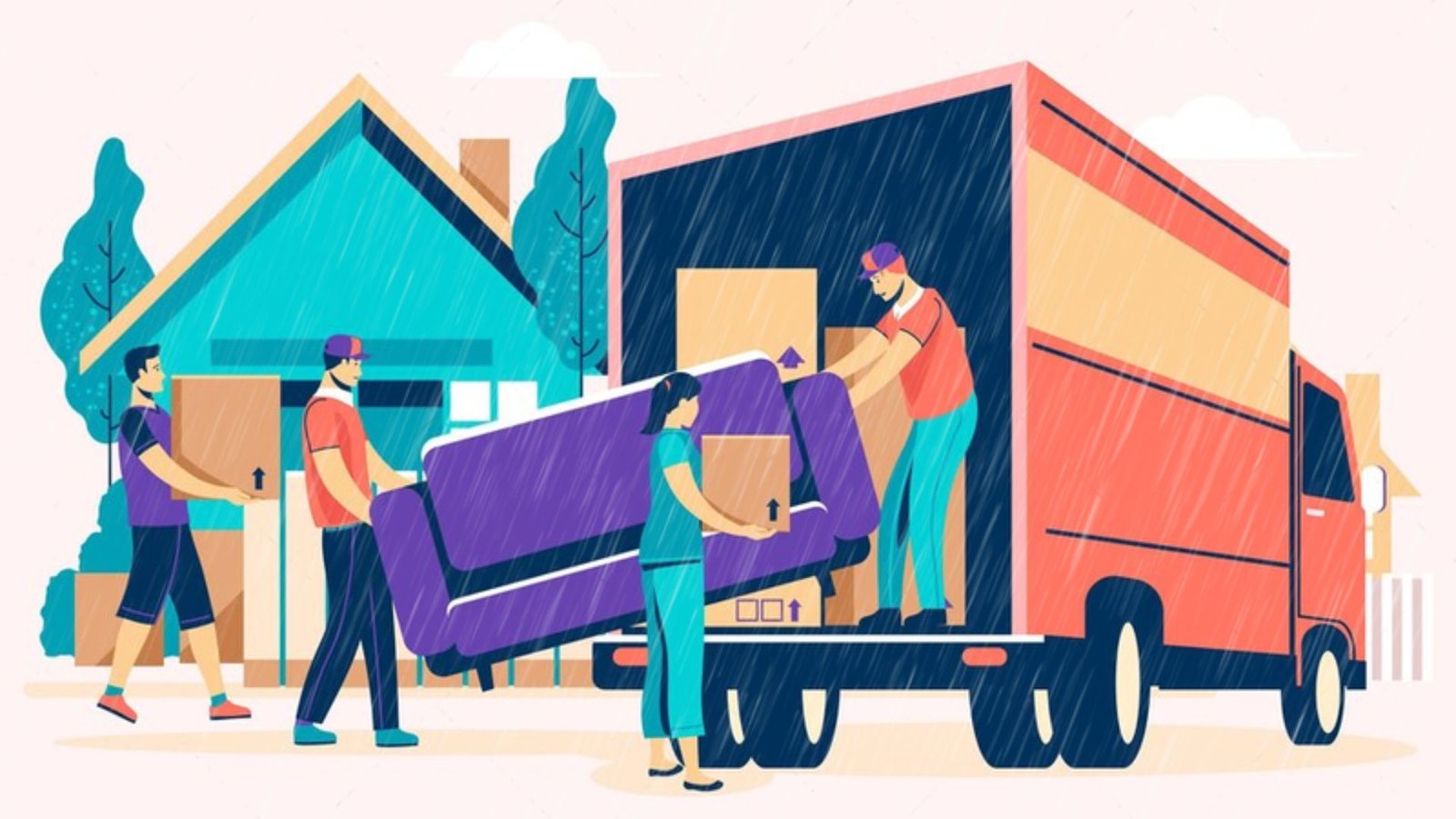
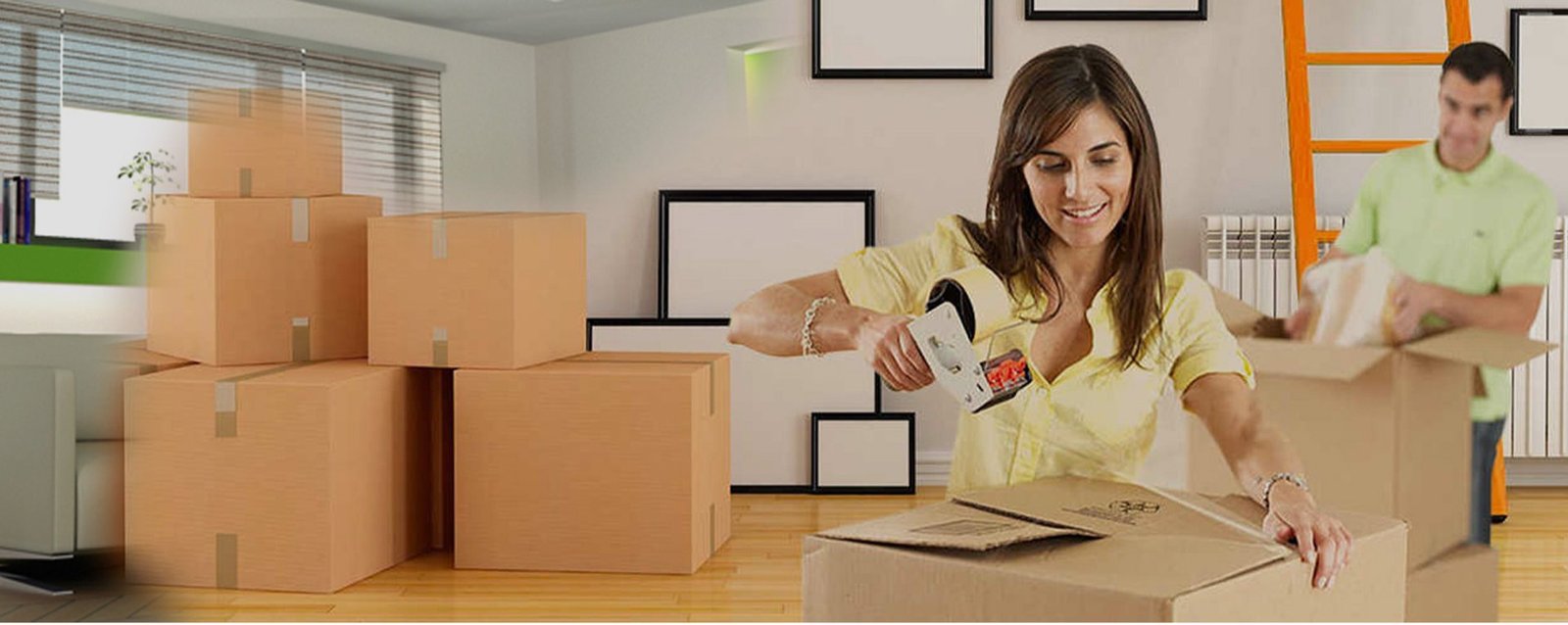
For people moving into modern apartments, relocating services such as Quick Packers Movers help make the transition smoother while residents step into a technologically enhanced lifestyle.
In this blog, we will explore how Smart Home Technology is transforming apartment living in 2026, the major benefits it offers, and why smart homes are becoming the future of urban housing.
The Rise of Smart Home Technology in Modern Apartments
Over the last decade, smart devices have moved from luxury to necessity. Today, many residential complexes are designed as Smart Apartments with built-in digital infrastructure.
Smart homes integrate devices such as:
- Smart lighting systems
- Voice-controlled assistants
- Smart thermostats
- Automated locks
- Security cameras
- Energy management systems
These systems communicate through the internet and allow residents to control their homes remotely. The result is a connected living experience where comfort, safety, and efficiency work together seamlessly.
In 2026, developers are building apartments with Smart Home Automation as a standard feature rather than an optional upgrade.
What Are Smart Apartments?
Smart Apartments are residential units equipped with digital technology that automates and optimises everyday functions. These homes use interconnected Smart Home Devices and Home Automation Systems to control lighting, temperature, security, and appliances.
Unlike traditional apartments, smart apartments provide centralised control through mobile apps or voice commands. Residents can monitor and manage their homes from anywhere in the world.
For example, a resident can:
- Turn off lights remotely
- Adjust the air conditioning before arriving home
- Lock or unlock doors using a smartphone
- Monitor security cameras in real time
This level of convenience is redefining modern Apartment Living.
Key Smart Home Devices Transforming Apartment Living
Smart homes rely on multiple connected devices that improve comfort and efficiency. Let’s explore some of the most common Smart Home Devices used in apartments today.
1. Smart Lighting Systems
Smart lighting allows residents to control brightness, colour, and schedules using a smartphone or voice assistant.
Benefits include:
- Energy efficiency
- Personalised lighting settings
- Automatic lighting schedules
For example, lights can automatically turn off when residents leave the apartment, reducing energy consumption.
2. Smart Thermostats
Smart thermostats regulate indoor temperature based on occupancy and user preferences.
These systems help residents:
- Maintain comfortable temperatures
- Reduce electricity bills
- Improve energy efficiency
By learning user behaviour, smart thermostats automatically adjust heating and cooling settings.
3. Smart Security Systems
Safety is a major advantage of Smart Home Technology.
Modern apartments use:
- Smart door locks
- Video doorbells
- Motion sensors
- Real-time surveillance cameras
Residents can monitor their homes through mobile apps, which improves security and peace of mind.
4. Voice Assistants and AI Integration
Voice assistants like Alexa or Google Assistant play a major role in Smart Home Automation.
With voice commands, residents can:
- Play music
- Turn lights on or off
- Control appliances
- Check weather updates
This technology creates a more interactive and hands-free living environment.
5. Smart Appliances
Modern apartments often include appliances connected to Home Automation Systems.
Examples include:
- Smart refrigerators
- Smart washing machines
- Automated vacuum cleaners
- Smart ovens
These appliances simplify daily tasks and improve time management.
Read more: Why Choose Sector 84 Gurgaon Apartments For Families
Benefits of Smart Homes in Apartment Living
The Benefits of Smart Homes extend far beyond convenience. Smart technology improves safety, energy efficiency, and overall quality of life.
1. Improved Convenience
Smart homes allow residents to control multiple devices through a single app or voice command.
Daily activities such as adjusting lighting, locking doors, or turning on appliances become quick and effortless.
2. Enhanced Safety and Security
Smart security systems provide real-time monitoring and alerts.
Residents receive notifications if:
- Doors are left unlocked
- Motion is detected
- Security cameras identify unusual activity
This level of monitoring improves safety in modern Apartment Living.
3. Energy Efficiency
Energy management is one of the most important Benefits of Smart Homes.
Smart systems help reduce electricity consumption through:
- Automated lighting control
- Smart thermostats
- Energy monitoring tools
These features help residents lower energy bills while supporting environmental sustainability.
4. Better Health and Indoor Living Conditions
Smart homes can improve indoor environmental quality.
Some systems monitor:
- Air quality
- Humidity levels
- Temperature balance
Maintaining healthy indoor conditions supports better respiratory health and overall well-being.
5. Remote Home Management
One of the biggest advantages of Smart Home Technology is remote access.
Residents can control home devices from anywhere, which is particularly useful for people who travel frequently or manage multiple properties.
Smart Home Automation and the Future of Apartment Living
Smart Home Automation is expected to become even more advanced in the coming years.
Future developments may include:
- AI-driven home management systems
- Predictive energy usage
- Advanced health monitoring technology
- Fully integrated smart building ecosystems
These innovations will make Smart Apartments more efficient and responsive to residents' needs.
The Role of Smart Homes in Urban Living
As cities become more populated, efficient housing solutions are becoming essential.
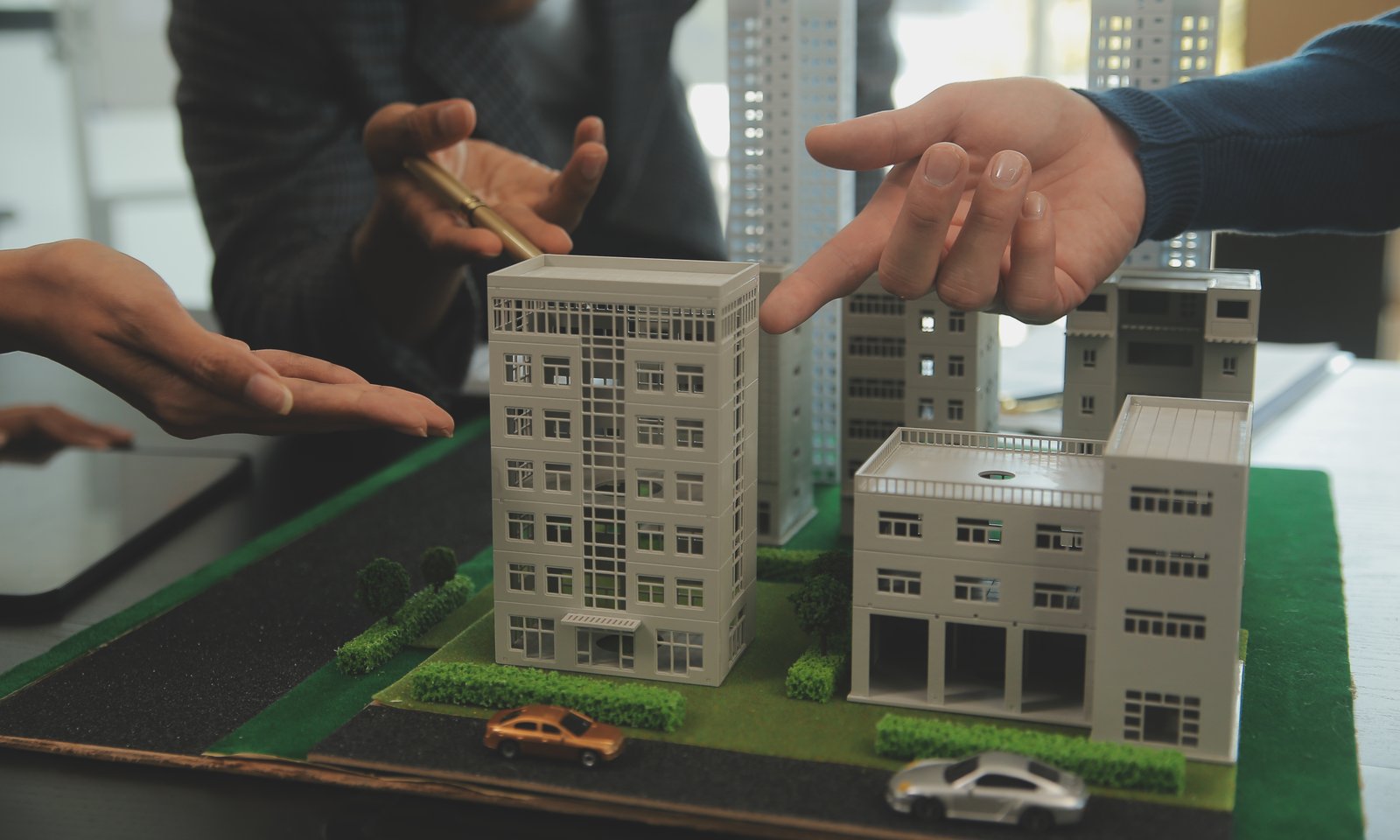
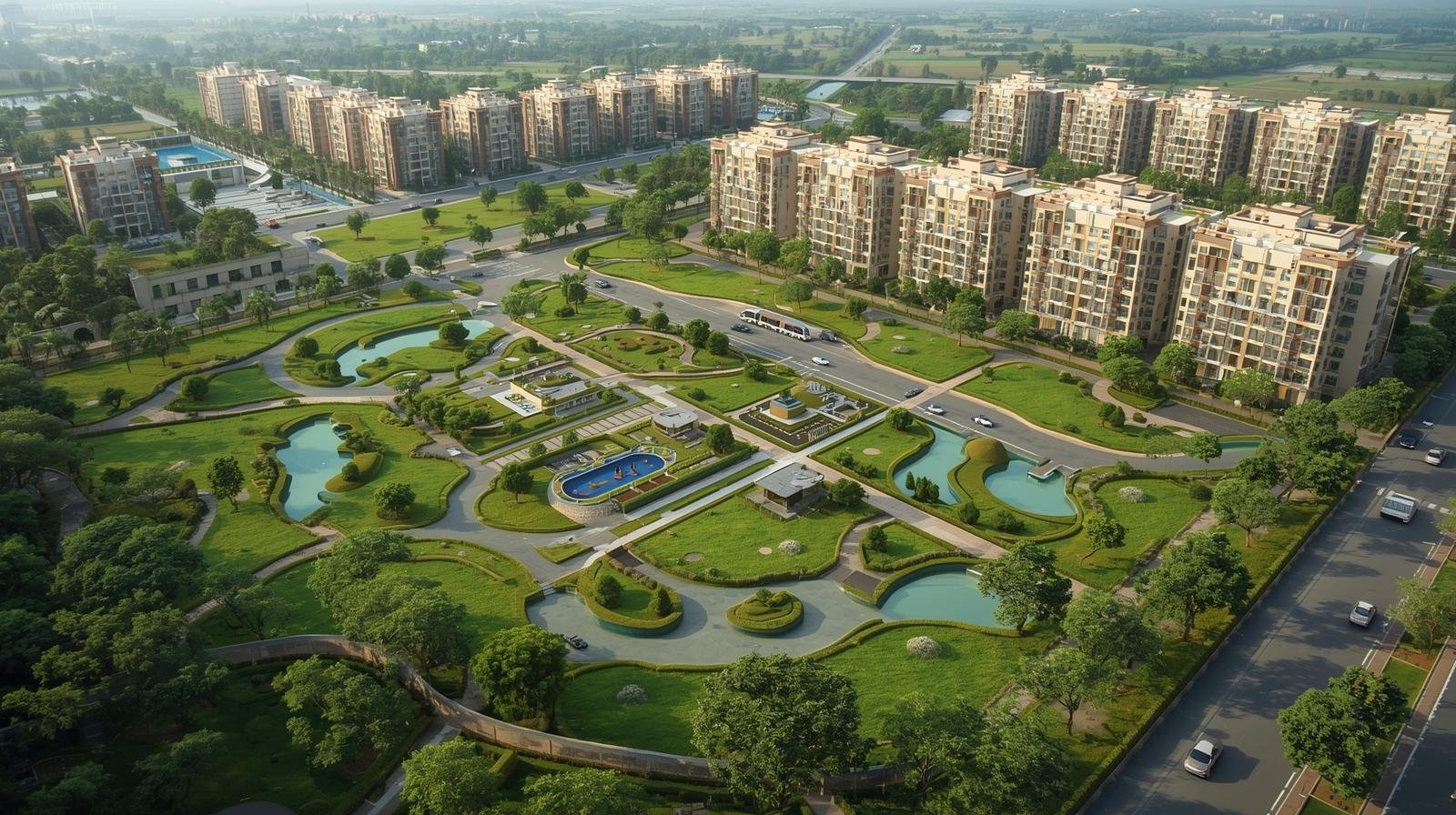
Smart technology helps optimise limited living spaces while maintaining comfort and convenience. This trend is particularly visible in fresh living apartments designed for modern urban lifestyles.
Smart apartments support:
- Efficient energy use
- Better building management
- Improved resident experiences
In crowded cities, technology helps make living apart more organised and comfortable.
Moving Into a Smart Apartment
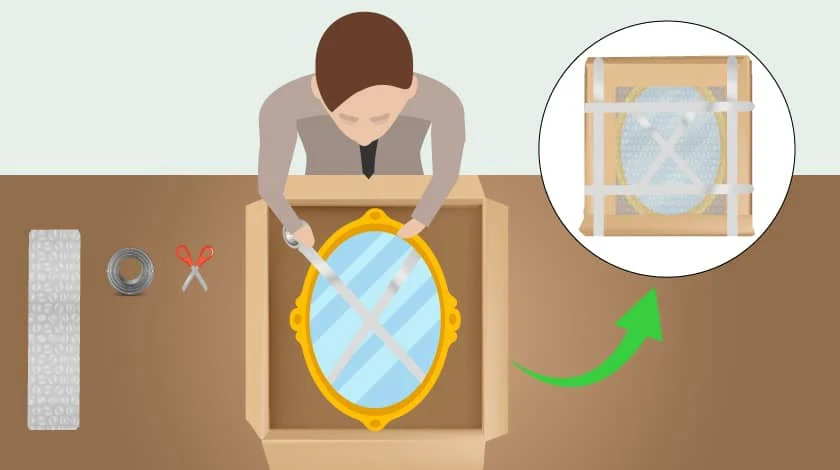
Relocating to a smart apartment often involves managing new technology alongside the moving process.
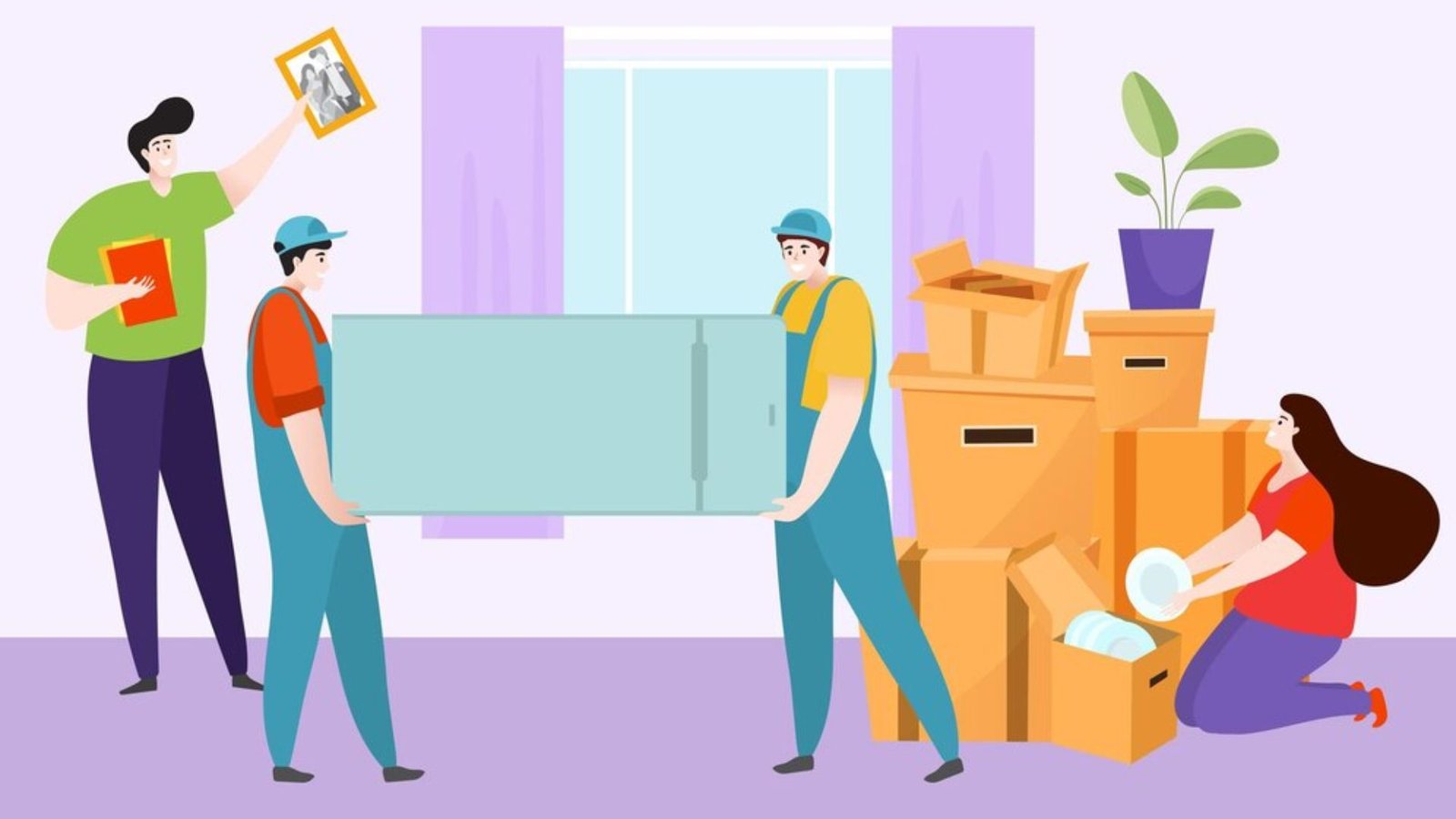
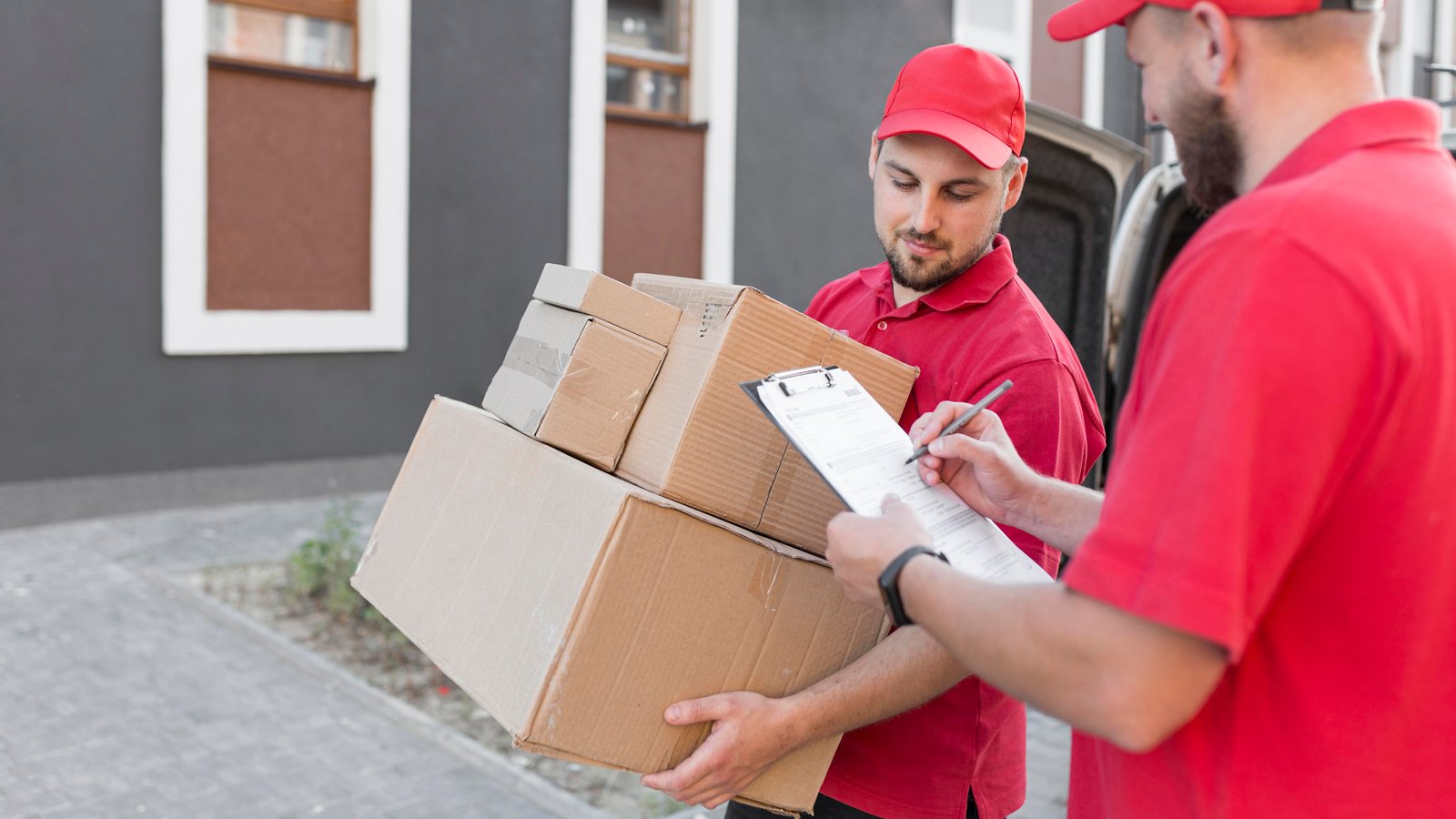
Professional relocation companies like Quick Packers Movers assist residents during the transition, ensuring that household items are transported safely while residents settle into their new smart-enabled homes.
Moving into a modern apartment equipped with Smart Home Devices can provide a seamless blend of technology and comfort for residents.
Challenges and Considerations of Smart Homes
Although smart homes offer many advantages, residents should consider certain factors before adopting them fully.
1. Privacy Concerns
Smart devices collect data to function effectively. Residents should choose reliable platforms and secure their home networks.
2. Technology Maintenance
Smart devices require software updates and occasional troubleshooting.
Regular maintenance ensures that Home Automation Systems continue to function properly.
3. Initial Installation Cost
Some smart home technologies require an initial investment. However, long-term energy savings often offset these costs.
Why Smart Homes Are Becoming the Standard in 2026
Several factors are driving the growth of Smart Home Technology in apartments.
Key reasons include:
- Rising urban population
- Increased focus on energy efficiency
- Demand for convenience and automation
- Improved internet connectivity
Developers now recognise that modern residents expect smart features in their homes.
As a result, Smart Apartments are becoming a standard feature in many residential projects.
Frequently Asked Questions (FAQs)
1. What is Smart Home Technology?
Smart Home Technology refers to connected devices and systems that allow residents to control home functions such as lighting, security, temperature, and appliances through smartphones or voice assistants.
2. What are Smart Apartments?
Smart Apartments are residential units equipped with integrated Home Automation Systems that allow residents to manage various home functions digitally.
3. Are Smart Homes energy efficient?
Yes. Many Smart Home Devices, such as smart thermostats and lighting systems, are designed to reduce energy consumption and improve efficiency.
4. Is Smart Home Automation safe to use?
When installed properly and protected with secure networks, Smart Home Automation systems are generally safe and provide additional security through monitoring and alerts.
5. Do Smart Homes improve apartment security?
Yes. Smart security systems include surveillance cameras, motion sensors, and smart locks that improve safety and provide real-time alerts.
6. Are Smart Homes expensive to maintain?
Most smart devices require minimal maintenance. Software updates and occasional technical checks are usually sufficient.
Conclusion
In 2026, Smart Home Technology is transforming the way people experience Apartment Living. With intelligent Smart Home Devices, advanced Home Automation Systems, and innovative Smart Home Automation, apartments are becoming more comfortable, efficient, and secure.
From energy savings to improved safety and better indoor living conditions, the Benefits of Smart Homes continue to attract modern urban residents.
As more cities adopt smart infrastructure, Smart Apartments will play a major role in shaping the future of housing.
For individuals planning to relocate to technologically advanced apartments, professional moving services such as Quick Packers Movers can help simplify the transition and ensure a smooth move into the next generation of smart living spaces.
.webp)
.webp)
.webp)







.jpg)


.png)


.png)













.webp)