In today’s rapidly evolving logistics industry, businesses are increasingly relying on advanced technologies to manage storage, inventory, and distribution efficiently. Modern warehouses are no longer simple storage spaces; they are technology-driven facilities designed to improve productivity, accuracy, and supply chain performance. One of the biggest developments shaping this transformation is Warehouse automation, which has significantly improved operational efficiency and workplace safety.
The Warehouse automation benefits are becoming more evident as companies adopt smart technologies such as warehouse robotics, warehouse management software, and advanced warehouse automation technology. These innovations help organisations streamline operations, reduce human error, and enhance supply chain visibility.
In 2026, businesses of all sizes, from e-commerce companies to manufacturing industries, are turning to professional warehouse providers to manage inventory and logistics effectively. Logistics companies such as Quick Packers Movers are also adopting modern systems to improve service reliability and support businesses with secure and efficient storage solutions.
This article explores the top 10 benefits of using warehouse services in 2026, highlighting how automation and smart logistics are reshaping supply chain operations.
The Growing Importance of Warehouse Automation in Modern Logistics
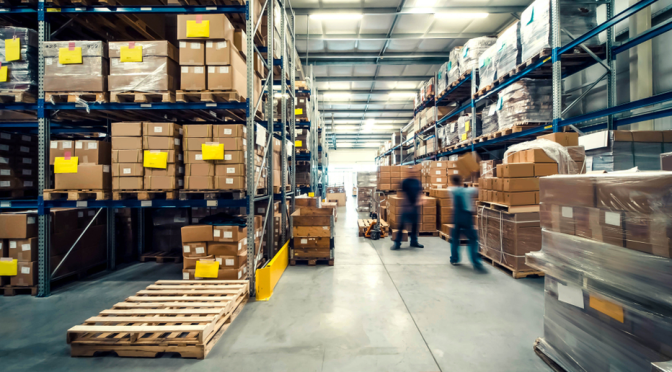
Warehousing plays a crucial role in supply chain operations. It acts as a central hub where goods are stored, sorted, packed, and prepared for delivery. However, traditional warehouse systems often struggle with inefficiencies such as manual inventory tracking, human errors, and slow order processing.
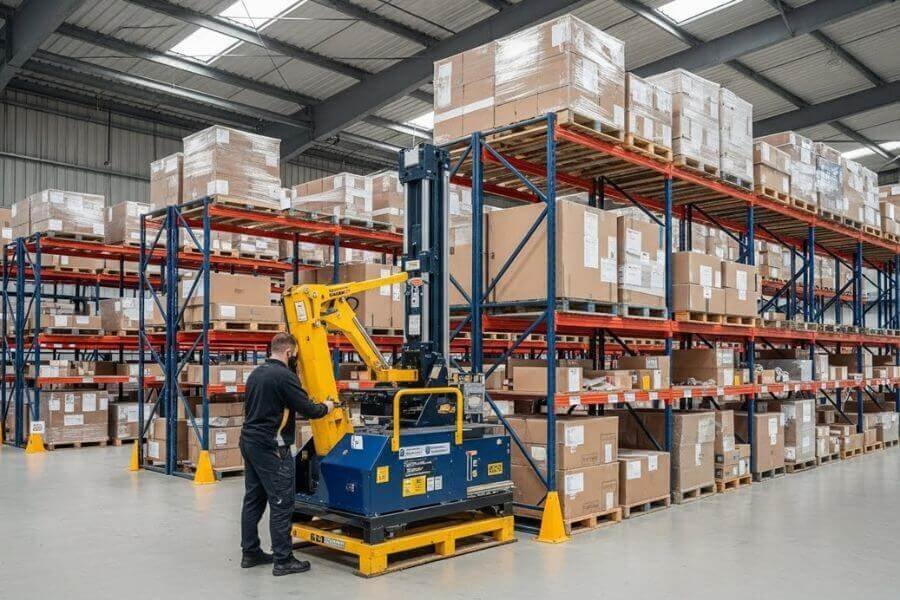
Modern Automated warehouse systems address these challenges by integrating digital tools, robotics, and data-driven technologies. These systems enable businesses to manage inventory in real time while improving overall productivity.
Key technologies used in automated warehouses include:
- Warehouse robotics
- AI-powered inventory systems
- Warehouse management software
- Automated storage and retrieval systems
- Smart sensors and tracking tools
These innovations are driving Supply chain automation and helping businesses respond faster to changing market demands.
Top 10 Warehouse Automation Benefits in 2026
1. Improved Operational Efficiency
One of the most significant Warehouse automation benefits is improved efficiency. Automated systems handle repetitive tasks such as picking, sorting, and packing with greater speed and accuracy than manual operations.
Automation allows warehouses to operate continuously with minimal downtime, enabling faster order processing and improved workflow management.
For example, automated systems can:
- Sort thousands of packages per hour
- Optimise storage space
- Reduce delays in order fulfilment
These improvements allow businesses to handle larger volumes of goods while maintaining operational stability.
Read more: Short-Term Vs Long-Term Storage Services In India: What’s Best For You?
2. Higher Accuracy in Inventory Management
Inventory accuracy is essential for maintaining smooth supply chain operations. Manual inventory management often leads to errors such as misplaced items or incorrect stock counts.
Modern Warehouse management software integrates with automation systems to provide real-time inventory tracking.
Key advantages include:
- Accurate stock monitoring
- Reduced inventory discrepancies
- Better demand forecasting
With real-time data visibility, businesses can avoid overstocking or stock shortages, improving both operational efficiency and customer satisfaction.
3. Enhanced Workplace Safety
Workplace safety is a critical factor in warehouse environments. Manual operations often expose workers to risks such as heavy lifting, repetitive strain injuries, and accidents involving machinery.
Automation helps reduce these risks by allowing machines and robots to perform hazardous tasks.
Warehouse robotics can safely handle activities such as:
- Heavy lifting
- High-shelf storage
- Long-distance transport inside warehouses
Reducing physical strain on workers also supports better occupational health outcomes and decreases workplace injury rates.
4. Faster Order Processing and Delivery
Speed is a major competitive advantage in modern logistics. Customers expect faster delivery times, especially in e-commerce and retail industries.
Automated warehouses significantly improve order processing speed. Robotics systems quickly retrieve products from storage and deliver them to packing stations.
Automation helps businesses achieve:
- Faster picking and packing
- Reduced order processing time
- Improved delivery schedules
These improvements strengthen overall Logistics automation and enhance customer experience.
5. Reduced Operational Costs
Although warehouse automation requires an initial investment, it significantly reduces long-term operational costs.
Automation reduces expenses associated with:
- Labor-intensive tasks
- Human errors
- Inventory losses
- Inefficient space usage
Over time, automated systems improve cost efficiency by optimising resource utilisation and reducing operational waste.
6. Better Supply Chain Visibility
Modern warehouses rely on integrated digital platforms to monitor every stage of inventory movement.
With Supply chain automation, businesses gain full visibility into:
- Inventory levels
- Shipment status
- Order fulfillment progress
- Storage utilization
Real-time data helps organisations make informed decisions and quickly respond to disruptions in the supply chain.
7. Scalable Storage Solutions
As businesses grow, their storage needs also increase. Automated warehouse systems provide scalable solutions that allow organisations to expand operations without significant structural changes.
Advanced warehouse automation technology allows warehouses to maximise vertical space and improve storage density.
Scalability benefits include:
- Flexible storage expansion
- Efficient warehouse layout
- Improved inventory organization
This adaptability makes automated warehouses suitable for both small businesses and large enterprises.
8. Improved Customer Satisfaction
Reliable order fulfilment plays a major role in customer satisfaction. Automated warehouses reduce delivery delays and ensure accurate order processing.
Customers benefit from:
- Faster deliveries
- Accurate shipments
- Reliable inventory availability
Improved logistics performance helps businesses build stronger relationships with customers and maintain long-term trust.
9. Integration with Modern Logistics Services
Warehouse automation works effectively when integrated with professional logistics providers.
Companies offering packers and movers services can combine transportation, storage, and distribution solutions to provide seamless supply chain support.
Integrated logistics services offer advantages such as:
- Simplified inventory management
- Efficient goods handling
- Coordinated transportation systems
Logistics companies like Quick Packers Movers use modern warehouse systems to support businesses with secure storage and organised distribution processes.
10. Sustainable and Environmentally Responsible Operations
Sustainability has become a major priority in logistics and supply chain management.
Automation supports environmentally responsible practices by optimising energy use and reducing waste.
Automated warehouses help reduce environmental impact through:
- Energy-efficient robotics systems
- Optimised storage layouts
- Reduced transportation emissions
These improvements contribute to more sustainable logistics operations and support long-term environmental goals.
How Warehouse Automation Supports Business Growth
Modern businesses face increasing pressure to deliver products quickly and maintain efficient supply chain operations.
By adopting Warehouse automation, companies can:
- Improve operational reliability
- Reduce logistics disruptions
- Scale operations efficiently
- Strengthen supply chain resilience
Automation also helps businesses remain competitive in rapidly evolving markets.
The Role of Quick Packers Movers in Modern Warehousing
Professional logistics providers play a crucial role in helping businesses access advanced warehouse services.
Quick Packers Movers supports individuals and businesses by offering organized warehousing and logistics solutions designed to meet modern supply chain demands.
Their services focus on:
- Secure storage facilities
- Efficient goods handling
- Integrated logistics services
- Professional relocation support
By adopting modern systems and automation-driven strategies, companies like Quick Packers Movers help businesses manage inventory and transportation more effectively.
Frequently Asked Questions (FAQs)
1. What are the warehouse automation benefits?
Warehouse automation benefits include improved operational efficiency, higher inventory accuracy, faster order processing, enhanced workplace safety, and reduced operational costs.
2. What is warehouse automation?
Warehouse automation refers to the use of technology such as robotics, artificial intelligence, and automated systems to perform warehouse tasks like inventory tracking, picking, packing, and sorting.
3. How do warehouse robotics improve warehouse operations?
Warehouse robotics performs repetitive tasks with speed and precision. They help reduce human errors, increase productivity, and improve worker safety by handling physically demanding tasks.
4. What is warehouse management software?
Warehouse management software is a digital system that helps businesses track inventory, manage storage locations, and monitor order fulfilment processes in real time.
5. How does supply chain automation benefit businesses?
Supply chain automation improves logistics efficiency by automating tasks such as inventory management, order processing, and shipment tracking, leading to faster and more reliable delivery operations.
6. Why should businesses use professional warehouse services?
Professional warehouse services help businesses manage inventory securely, improve order fulfilment efficiency, and integrate storage with transportation and logistics operations.
Conclusion
The logistics industry is undergoing a significant transformation in 2026 as businesses adopt automation and advanced technologies to improve supply chain efficiency. The Warehouse automation benefits extend far beyond faster operations, they also improve workplace safety, inventory accuracy, and environmental sustainability.
With the help of technologies such as warehouse robotics, warehouse management software, and advanced warehouse automation technology, modern warehouses are becoming smarter, safer, and more efficient.
Businesses that utilise professional warehouse services can streamline operations, improve customer satisfaction, and strengthen supply chain resilience.
If you are looking for reliable warehousing and logistics support, consulting experienced providers such as Quick Packers Movers can help you manage inventory, storage, and transportation more efficiently.
.webp)
.webp)
.webp)










.jpg)



.png)


.png)















.webp)













.jpg)