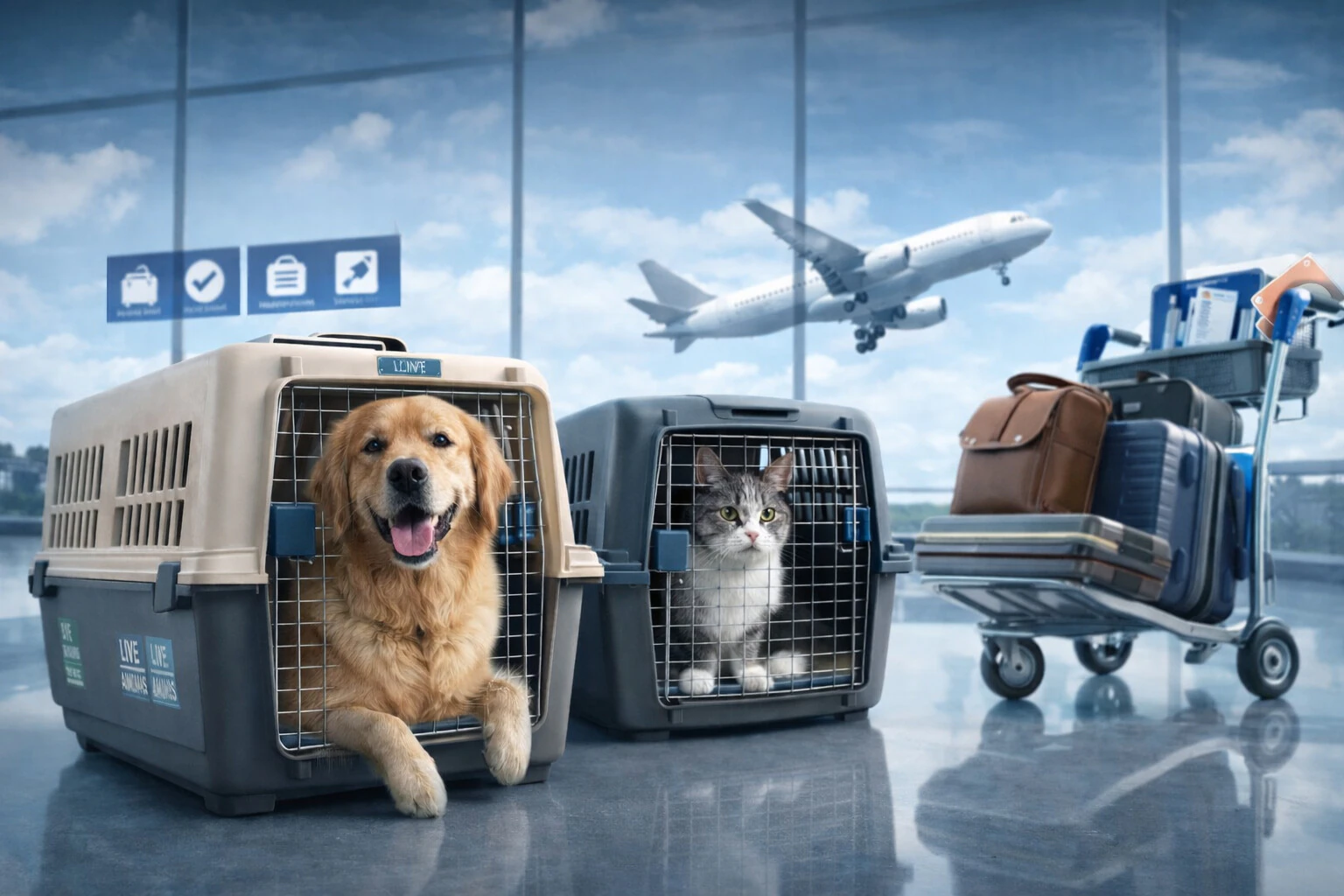
International relocation with pets in 2026 is more structured, regulated, and medically guided than ever before. As global mobility increases and more families relocate across borders, understanding pet international travel requirements has become essential for every responsible pet parent.
Unlike domestic moves, international pet travel involves veterinary compliance, country-specific regulations, biosecurity laws, and stress-management protocols for animals. Professional support from experienced providers such as Quick Packers Movers helps ensure pets travel safely, legally, and with minimal health risks.
This complete guide explains international pet travel requirements in 2026, covering medical documentation, timelines, welfare considerations, and expert-backed best practices, so you can plan with confidence and clarity.
Why International Pet Travel Rules Are Stricter in 2026
In recent years, governments worldwide have strengthened animal import regulations to prevent:
- Zoonotic disease transmission
- Rabies reintroduction
- Animal welfare violations
As a result, pet international travel requirements in 2026 emphasise preventive healthcare, traceability, and ethical transport. These regulations are not meant to discourage pet travel but to protect public health, animal health, and ecosystem safety.
For pet parents, compliance is not optional; it is a medical, legal, and ethical responsibility.
Understanding Pet International Travel Requirements
International pet travel requirements refer to the mandatory medical, legal, and transport-related conditions pets must meet before crossing borders. These requirements vary by destination country but generally include:
- Veterinary health clearance
- Vaccination and microchipping
- Import permits and customs documentation
- Approved transport methods
Professional international pet relocation services ensure all these elements are coordinated accurately and on time.
Core Medical Requirements for International Pet Travel
Pet Health Certificate for International Travel
A pet health certificate for international travel is the foundation of legal pet movement across borders. Issued by a licensed veterinarian, it confirms that your pet:
- Is clinically healthy
- Is free from infectious diseases
- Meets destination-specific vaccination standards
In many countries, the certificate must be endorsed by a government-authorised veterinary authority within a specific timeframe (often 7–10 days before travel).
Medical Importance:
Health certificates reduce the risk of disease spread and ensure pets are physically fit for the stress of travel.
Mandatory Vaccinations and Parasite Control
Most countries require:
- Valid rabies vaccination
- Core vaccines appropriate to the species
- External and internal parasite treatments
Vaccination timing is critical. For example, rabies vaccines often require a waiting period before travel is permitted.
Failure to meet these timelines is one of the most common causes of travel delays or quarantine.
Microchipping and Identification Standards
Microchipping is mandatory for international pet travel in 2026. The microchip:
- Must meet ISO standards
- Must be implanted before rabies vaccination
- Must match all medical documents
From a medical and regulatory perspective, microchips ensure traceability and accountability throughout the travel process.
Pet Passport International Travel – What It Means in 2026
A pet passport international travel document is a consolidated record of your pet’s:
- Identification details
- Vaccination history
- Medical treatments
While pet passports are most commonly used in the EU and select regions, similar documentation systems are now adopted globally.
Why It Matters:
Pet passports streamline border checks and reduce administrative errors that could otherwise lead to quarantine or refusal of entry.
Country-Specific Import Rules You Must Know
Rabies-Controlled vs Rabies-Free Countries
Destination countries are often categorised as:
- Rabies-free
- Rabies-controlled
- High-rabies-risk
Each category has different entry rules, including blood titer tests, extended waiting periods, or quarantine upon arrival.
Professional international pet relocation services help interpret these rules accurately for your destination.
Quarantine Policies in 2026
While many countries aim to reduce quarantine stress, some still require:
- Mandatory isolation periods
- Government-supervised facilities
From an animal welfare perspective, minimising quarantine through proper pre-travel compliance is always preferable.
Transport Standards and Animal Welfare Guidelines
Approved Travel Crates and Conditions
International regulations require pets to travel in:
- IATA-compliant crates
- Properly ventilated enclosures
- Species-appropriate sizes
Incorrect crate sizing can cause musculoskeletal injuries, anxiety, and respiratory distress, especially during long-haul flights.
Climate and Stress Management During Transit
Medical research confirms that prolonged stress can weaken an animal’s immune response. Modern international pet relocation services focus on:
- Temperature-controlled transport
- Hydration protocols
- Reduced handling transitions
Ethical transport is now a regulatory expectation, not a luxury.
Role of Professional International Pet Relocation Services
Navigating pet international travel requirements without expert support can be overwhelming. Professional services:
- Coordinate veterinary appointments
- Manage documentation timelines
- Liaise with airlines and authorities
Trusted providers, including global specialists like WorldCare Pet Transport, follow medically aligned and regulation-compliant processes to reduce risk and uncertainty,
How Packers and Movers Support International Pet Travel
Leading packers and movers now offer integrated relocation solutions, aligning:
- Household relocation schedules
- Pet travel timelines
- Destination readiness
Companies such as Quick Packers Movers ensure that pets and families arrive prepared, minimising emotional and logistical disruption.
Common Mistakes to Avoid in International Pet Travel
Pet parents often face challenges due to:
- Incorrect vaccination dates
- Missing endorsements
- Incomplete microchip records
These errors can result in:
- Entry denial
- Extended quarantine
- Increased stress and health risks
Expert-guided planning is the most effective preventive strategy.
Timeline Checklist for International Pet Travel in 2026
6–12 Months Before Travel
- Research destination requirements
- Microchip implantation
- Rabies vaccination
3–5 Months Before Travel
- Blood titer tests (if required)
- Import permit applications
1 Month Before Travel
- Final veterinary health check
- Parasite treatments
7–10 Days Before Travel
- Pet health certificate for international travel
- Government endorsement
Medical Perspective – Why Preparation Protects Pet Health
From a veterinary standpoint, well-planned international travel reduces:
- Stress-induced gastrointestinal disorders
- Respiratory complications
- Immune suppression
Compliance with pet international travel requirements is not just about paperwork; it is preventive healthcare.
Read more: Top Pet Relocation Trends In 2026: What Every Pet Parent Must Know Before Moving
Frequently Asked Questions (FAQs)
1. What are the pet international travel requirements in 2026?
They include microchipping, vaccinations, health certificates, import permits, and compliance with destination-specific regulations.
2. Is a pet health certificate mandatory for international travel?
Yes. A valid, endorsed pet health certificate for international travel is required by almost all countries.
3. Do all pets need a pet passport for international travel?
Not all countries require a formal pet passport, but equivalent documentation is mandatory worldwide.
4. Can I manage international pet travel without relocation services?
While possible, professional international pet relocation services significantly reduce errors, delays, and health risks.
5. Are quarantine rules still common in 2026?
Some countries enforce quarantine, especially for high-rabies-risk origins. Proper preparation can often avoid it.
6. How do packers and movers help with pet relocation?
They coordinate logistics, timelines, and documentation alongside household relocation for a smoother transition.
Conclusion: Travel Internationally with Confidence and Care
International pet travel in 2026 demands preparation, medical accuracy, and regulatory awareness. Understanding and meeting pet international travel requirements protects not only legal compliance but also your pet’s physical and emotional well-being.
By working with experienced professionals like Quick Packers Movers, pet parents can ensure a safe, ethical, and stress-minimised international relocation. Thoughtful planning today leads to healthier, happier journeys for your companion tomorrow.
.webp)
.webp)
.webp)











.jpg)



.png)


.png)
















.webp)





















.jpg)