
In 2026, businesses operate in an environment defined by speed, accuracy, resilience, and accountability. Global disruptions, rising healthcare and safety expectations, digital transformation, and increasing customer demand have reshaped how goods move from origin to destination. At the centre of this transformation are logistics services, no longer just a support function, but a strategic pillar of business continuity, employee safety, and economic stability.
Smart logistics services in 2026 combine technology, data-driven decision-making, automation, and human expertise to create faster, safer, and more cost-effective supply chain ecosystems. Trusted providers such as Quick Packers Movers are redefining how businesses approach logistics solutions with a strong focus on operational efficiency, risk reduction, and workforce well-being.
This comprehensive guide explores the evolution of modern logistics, the role of smart systems in supply chain management, and why businesses increasingly rely on professional logistics partners to remain competitive and compliant.
Introduction: Why Smart Logistics Services Matter More Than Ever
Logistics is no longer just about transporting goods. In 2026, it encompasses planning, execution, monitoring, safety management, automation, and sustainability across the entire logistics supply chain. Inefficient logistics can result in:
- Delayed deliveries and lost revenue
- Increased workplace injuries
- Inventory mismanagement
- Regulatory non-compliance
- Higher operational costs
Smart logistics services address these challenges by integrating advanced technologies with structured logistics management processes, ensuring predictable outcomes and improved business resilience.
The Evolution of Logistics Services in 2026
From Traditional Transport to Intelligent Logistics Solutions
Historically, logistics focused on moving goods from one location to another. Today, logistics solutions encompass:
- Predictive demand planning
- Real-time shipment visibility
- Automated warehousing
- Risk and safety assessments
- Data-driven logistics management
This shift reflects a broader understanding that logistics directly impacts financial performance, employee health, and customer satisfaction.
Key Pillars of Smart Logistics Services
1. Integrated Logistics Supply Chain Planning
A smart logistics supply chain operates as a connected ecosystem rather than isolated functions. Integration ensures seamless coordination between:
- Procurement
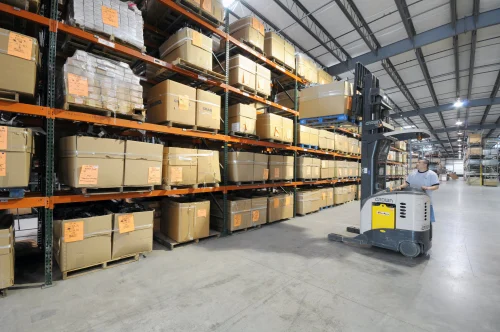
- Warehousing
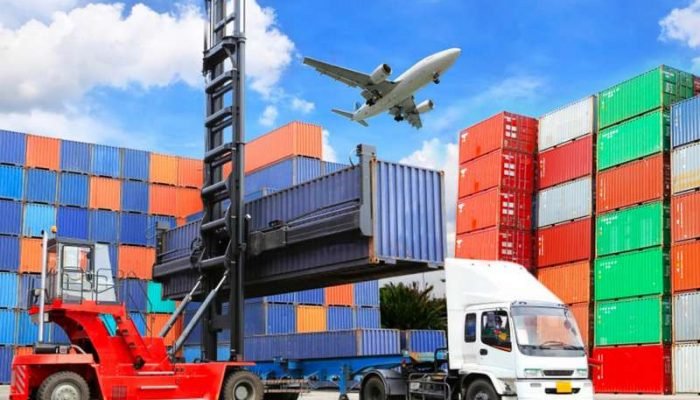
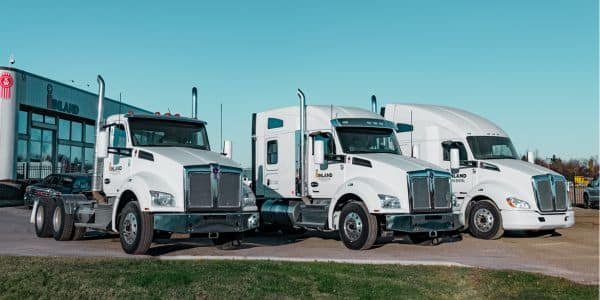
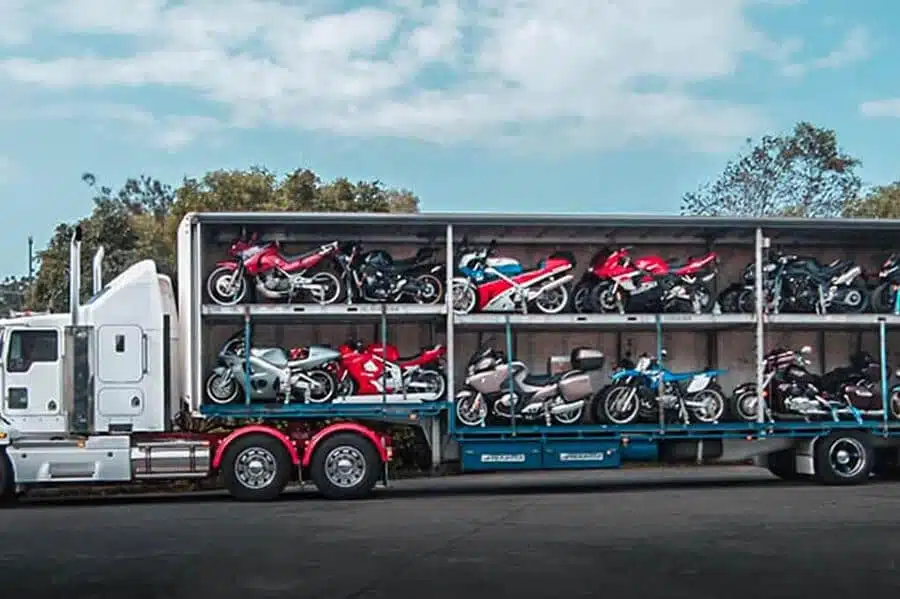
- Transportation
- Distribution
- Reverse logistics
Advanced planning minimises bottlenecks, reduces human error, and improves delivery timelines.
2. Technology-Driven Logistics Management
Modern logistics management relies heavily on digital platforms that provide:
- Real-time tracking and monitoring
- Automated scheduling
- Inventory forecasting
- Performance analytics
These tools help organisations make informed decisions, reduce delays, and proactively manage risks.
3. Logistics Automation for Speed and Accuracy
What Is Logistics Automation?
Logistics automation refers to the use of technology and machinery to perform logistics tasks with minimal manual intervention. Examples include:
- Automated sorting systems
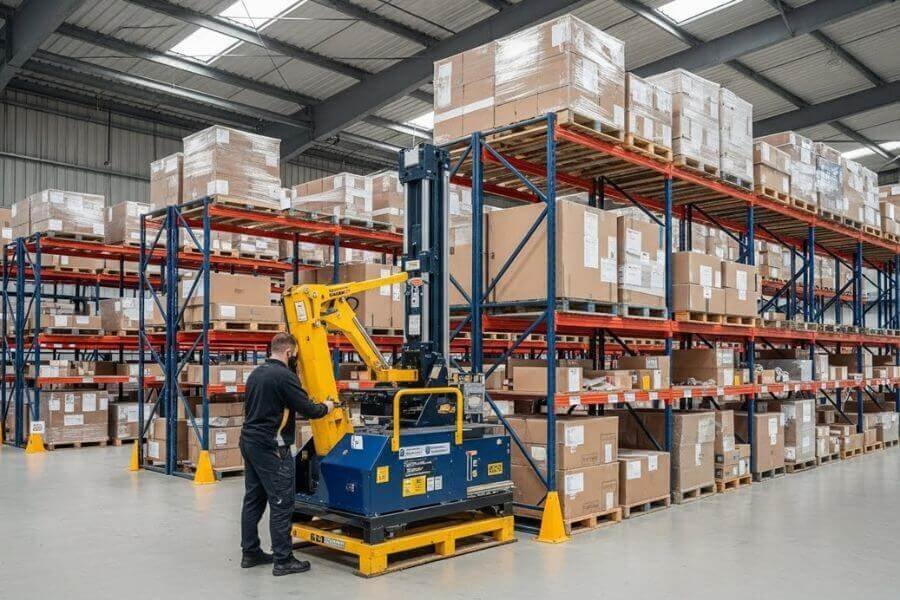
- Robotic pallet handling
- Smart inventory management software
- AI-driven route optimisation
Automation improves speed while significantly reducing human error and workplace injuries.
Health, Safety, and Risk Reduction in Modern Logistics
Why Medical Accuracy Matters in Logistics
From an occupational health perspective, logistics operations carry inherent risks such as:
- Musculoskeletal disorders from repetitive lifting
- Fatigue-related accidents
- Exposure to hazardous materials
- Stress-related health issues
Smart logistics services incorporate medically informed safety protocols to protect workers and reduce long-term health risks.
How Smart Logistics Improves Worker Safety
Professional logistics providers implement:
- Ergonomic handling practices
- Automated lifting and material movement
- Structured shift planning to reduce fatigue
- Safety training aligned with occupational health guidelines
This approach improves workforce well-being while lowering injury-related costs and downtime.
Cost Efficiency Through Smart Logistics Solutions
Reducing Hidden Costs in the Supply Chain
Inefficient logistics often lead to hidden expenses such as:
- Product damage
- Overtime labor
- Emergency shipments
- Regulatory penalties
Smart logistics solutions optimise routing, packaging, and inventory flow to eliminate unnecessary expenses.
Data-Driven Supply Chain Management
Effective supply chain management relies on accurate data to:
- Forecast demand
- Optimise stock levels
- Reduce waste
- Improve supplier coordination
By leveraging analytics, businesses can balance cost control with service quality.
The Role of Packers and Movers in Smart Logistics
Beyond Basic Transportation
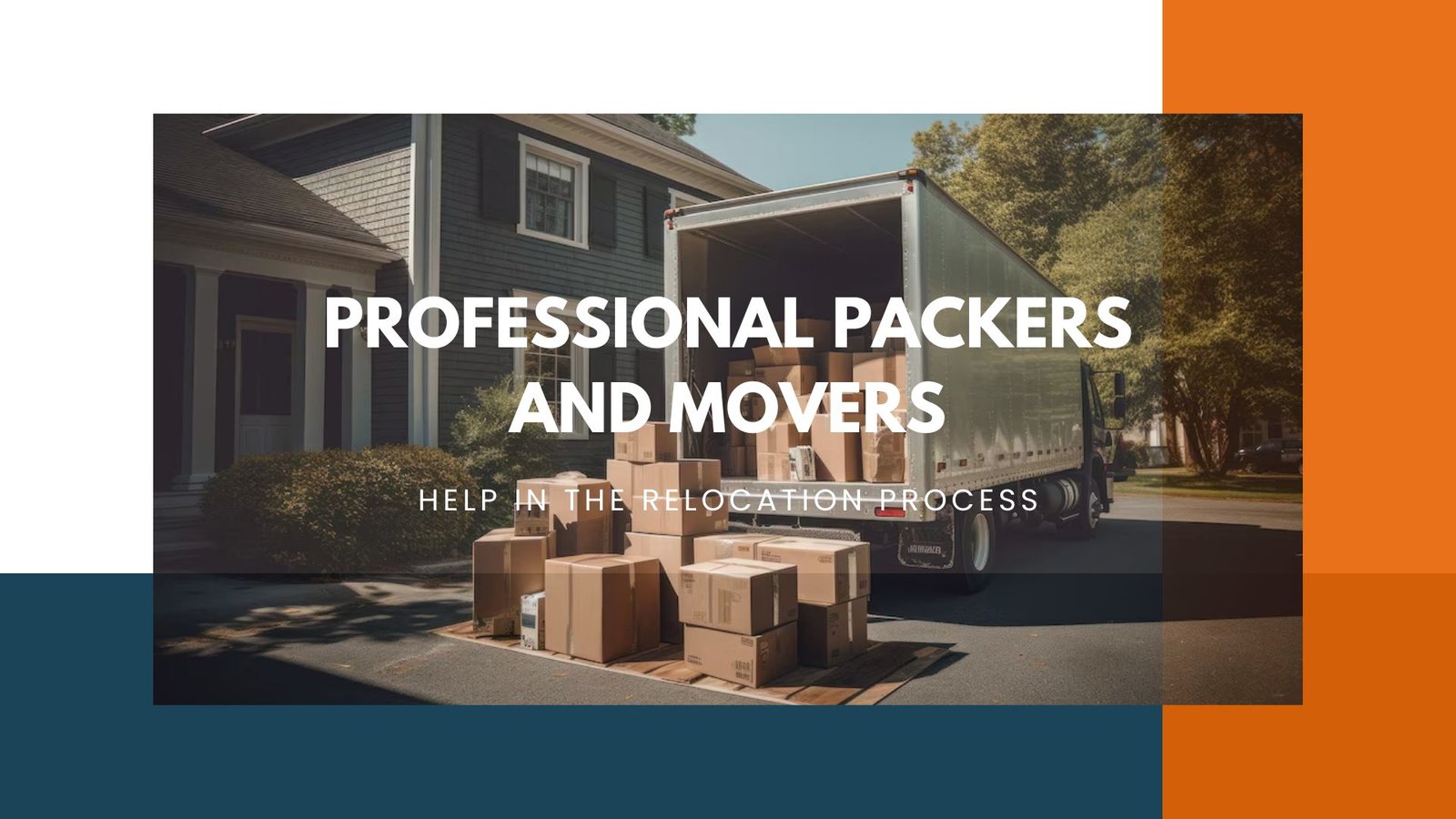
Professional packers and movers are an integral part of modern logistics ecosystems. Their role extends beyond loading and unloading to include:
- Secure packaging of sensitive goods
- Inventory documentation
- Damage prevention
- Timely delivery coordination
When integrated into smart logistics services, packers and movers help ensure consistency and reliability.
Specialised Handling for Sensitive Industries
Industries such as healthcare, electronics, and manufacturing require careful handling of equipment and materials. Trained packers and movers use specialised materials and methods to maintain product integrity and compliance.
Sustainability and Environmental Responsibility in Logistics
Why Sustainable Logistics Matters in 2026
Sustainability is no longer optional. Smart logistics providers focus on:
- Fuel-efficient transportation
- Optimised delivery routes
- Reusable and recyclable packaging
- Reduced carbon emissions
These practices align environmental responsibility with long-term cost savings.
Green Supply Chain Management
Sustainable supply chain management enhances brand reputation while meeting regulatory and stakeholder expectations.
Why Businesses Trust Quick Packers Movers
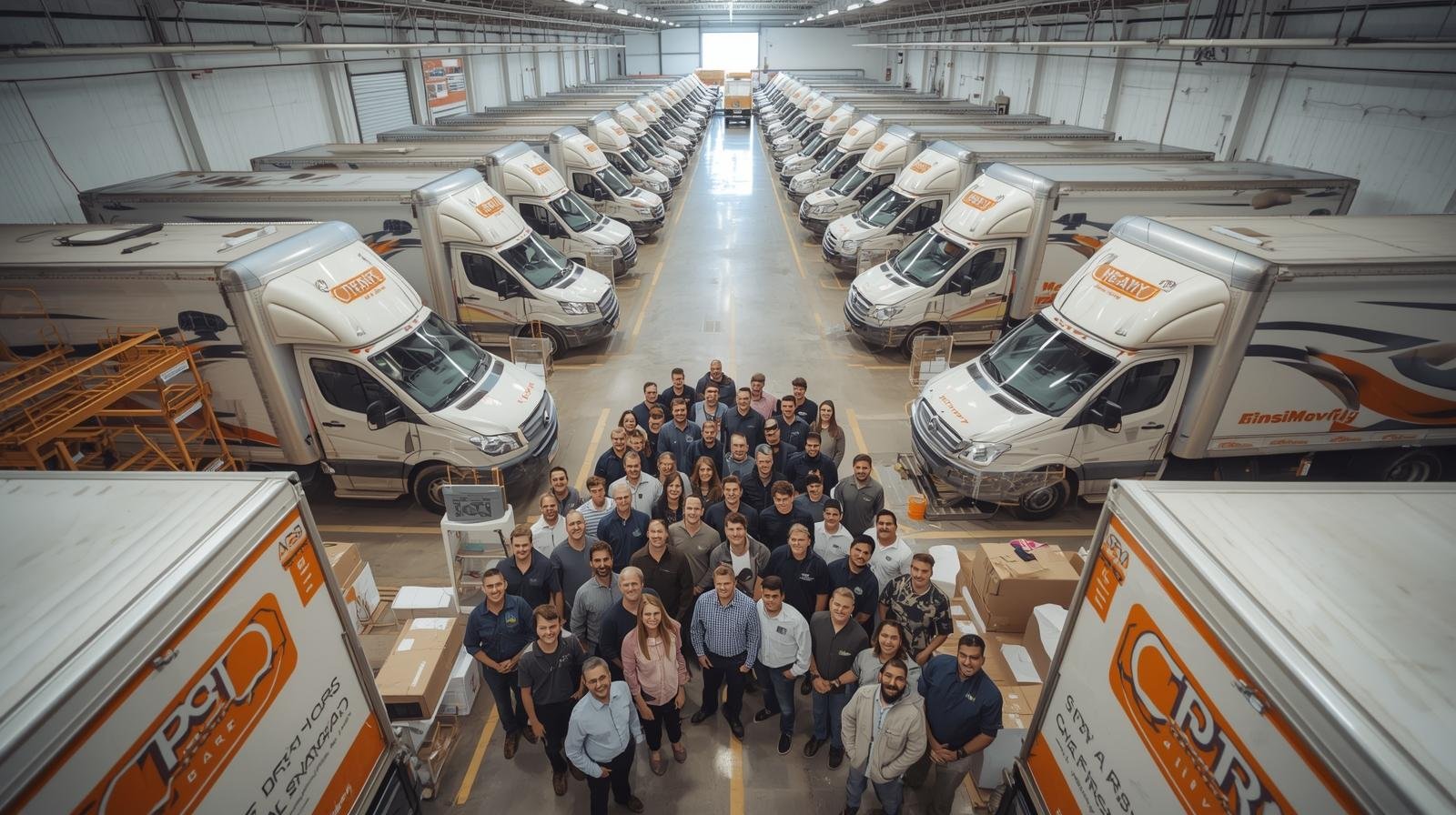
Quick Packers Movers has positioned itself as a reliable partner in delivering smart logistics services by combining:
- Advanced logistics management systems
- Trained professionals focused on safety
- Efficient logistics automation practices
- Transparent communication and execution
Their approach ensures faster deliveries, safer operations, and optimised costs, without compromising workforce health or service quality.
Future Trends Shaping Logistics Services
1. AI-Driven Decision Making
Artificial intelligence enhances forecasting, route optimisation, and risk assessment.
2. Predictive Maintenance
Smart sensors prevent equipment failures before they disrupt operations.
3. Human-Centric Logistics Design
Greater emphasis on worker ergonomics and mental well-being.
4. End-to-End Visibility
Complete transparency across the logistics supply chain.
How to Choose the Right Logistics Services Partner
When selecting a logistics provider, businesses should assess:
- Experience in logistics solutions
- Technology and automation capabilities
- Safety and compliance standards
- Scalability and reliability
A trusted partner ensures long-term operational success rather than short-term cost savings.
Conclusion: Building Resilient Supply Chains with Smart Logistics
In 2026, smart logistics services are essential for businesses seeking resilience, efficiency, and sustainable growth. By combining logistics automation, advanced logistics management, and human-centred safety practices, organisations can build supply chains that are faster, safer, and more cost-effective.
Partnering with experienced providers like Quick Packers Movers enables businesses to navigate complexity with confidence. For organisations looking to optimise their logistics supply chain, consulting a professional logistics partner is a strategic step toward long-term success.
(FAQs)
1. What makes smart logistics services different from traditional logistics?
Smart logistics services use technology, automation, and data-driven planning to improve speed, safety, and cost efficiency across the supply chain.
2. How does logistics automation improve safety?
Automation reduces manual handling, lowering the risk of musculoskeletal injuries and fatigue-related accidents.
3. Why is logistics management critical in 2026?
Effective logistics management ensures coordination, compliance, cost control, and consistent service delivery in complex supply chains.
4. What role do packers and movers play in logistics solutions?
Packers and movers ensure secure handling, packaging, and transport of goods, supporting reliability and damage prevention.
5. How does supply chain management impact business growth?
Efficient supply chain management improves delivery speed, reduces costs, and enhances customer satisfaction.
6. Why should businesses choose Quick Packers Movers?
Quick Packers Movers offers integrated logistics services with a strong focus on safety, efficiency, and cost-effective supply chain solutions.
.webp)
.webp)
.webp)









.jpg)



.png)


.png)
















.webp)

















.jpg)