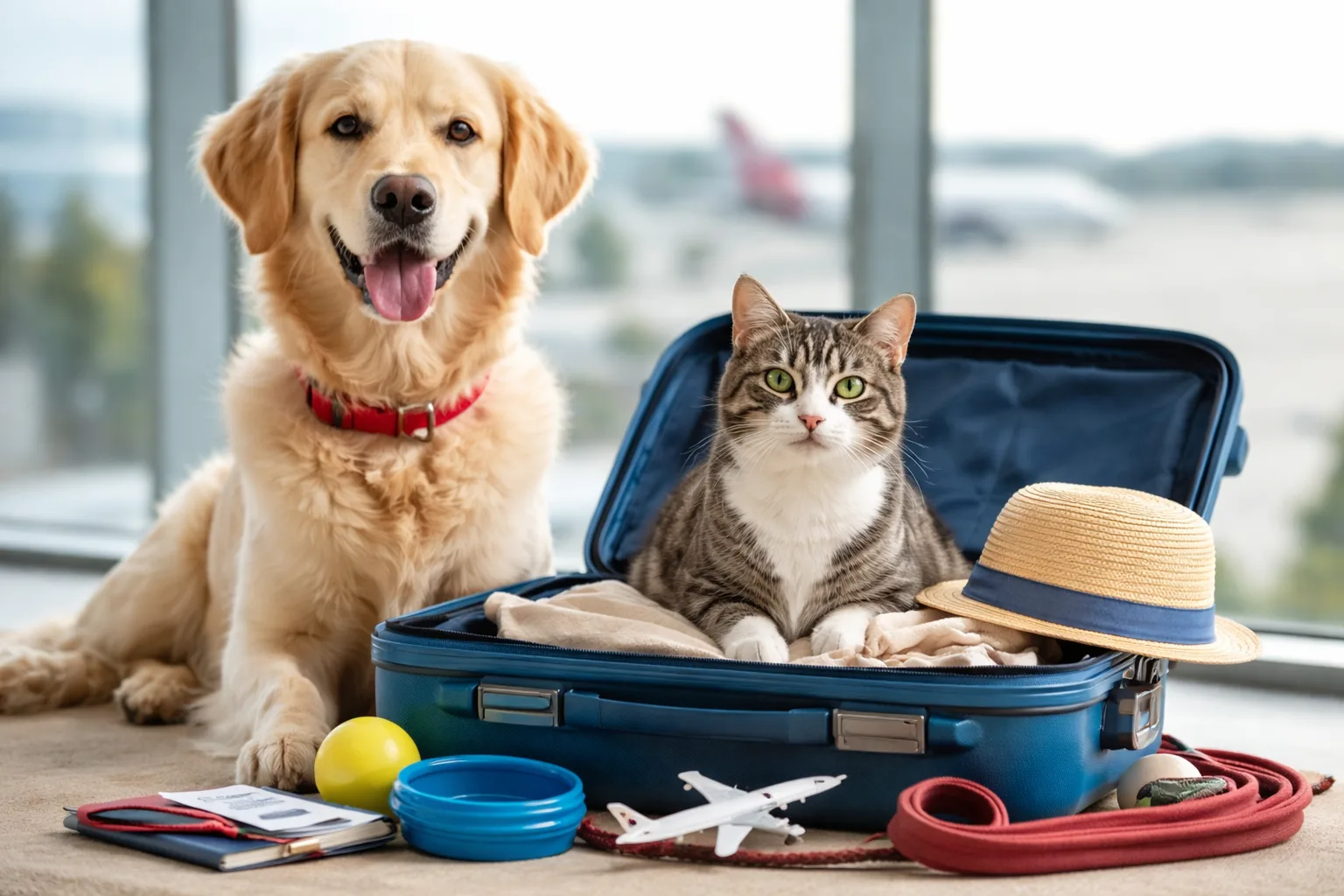
Relocating to a new city or country can be stressful, not just for humans, but for pets as well. Dogs, cats, and other companion animals are sensitive to changes in environment, routine, and handling. In 2026, pet owners are more aware than ever of animal welfare, medical safety, and legal compliance during travel. Choosing the right pet relocation services is no longer a luxury; it is a necessity for your pet’s physical and emotional well-being.
This comprehensive guide will help you understand how to choose the best pet relocation service in 2026, what medical and logistical factors to consider, and how a professional pet relocation company like Quick Packers Movers can make the process safe, ethical, and stress-free.
Understanding Pet Relocation Services in 2026
Pet relocation services involve the safe transportation of pets from one location to another, either domestically or internationally. These services go far beyond simple transport. In 2026, professional providers handle:
- Veterinary documentation and health certificates
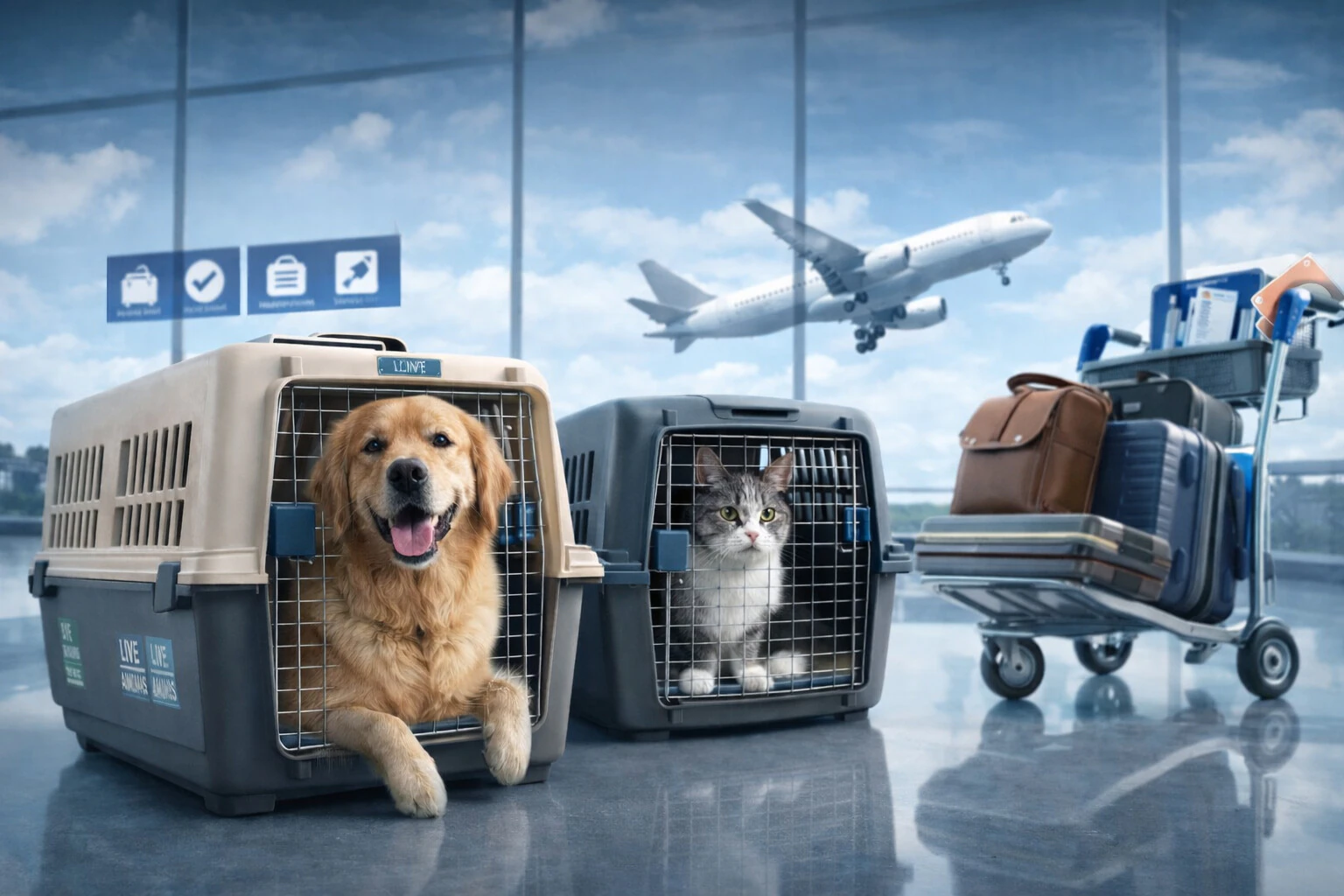
- Travel crates designed for animal comfort
- Airline or road transport coordination
- Quarantine regulations and customs clearance
- Stress-reduction protocols for animals
With increased global mobility and stricter animal welfare laws, pet relocation services have become more specialised and medically informed.
Why Choosing the Right Pet Relocation Company Matters
Pets are not cargo. Improper handling, poor ventilation, incorrect documentation, or lack of medical oversight can lead to dehydration, anxiety, injury, or even life-threatening complications.
A professional pet relocation company understands:
- Species-specific stress responses
- Breed-related health risks (such as brachycephalic breeds)
- Temperature control and hydration needs
- Safe sedation policies (only when medically advised)
Choosing the wrong provider may save money initially, but it can put your pet’s health at serious risk.
Key Trends Shaping Pet Relocation Services in 2026
Before selecting a service provider, it helps to understand current industry trends:
1. Medically Supervised Transport
Reputed providers now work closely with licensed veterinarians to ensure pets are fit to travel.
2. Stress-Free Travel Protocols
Use of pheromone sprays, familiar bedding, and gradual crate training is becoming standard.
3. Technology-Enabled Tracking
GPS-enabled crates and real-time updates help owners monitor their pet’s journey.
4. Customised Pet Travel Plans
From puppies to senior pets, relocation plans are tailored based on age, breed, and medical history.
How to Choose the Best Pet Relocation Services in 2026
1. Verify Medical Knowledge and Veterinary Support
From a medical perspective, this is the most critical factor. A reliable pet relocation company should:
- Require a pre-travel veterinary health check
- Understand vaccination timelines and parasite control
- Be aware of breed-specific travel risks
- Follow international animal health regulations
For example, short-nosed dog breeds may face breathing difficulties during air travel. A responsible dog transport service will plan alternative routes or recommend ground transport when necessary.
2. Check Experience With Different Animals
Not all providers handle every type of pet. Ask whether they offer:
- Cat relocation services with quiet, low-stimulation handling
- Specialised dog transport service options for large or anxious dogs
- Experience with senior pets or pets with chronic conditions
Cats, in particular, are highly sensitive to noise and unfamiliar environments. Professional cat relocation services focus on minimising visual and auditory stress.
3. Evaluate International Pet Relocation Expertise
If you are moving abroad, international pet relocation services require advanced expertise. Regulations vary widely between countries and may include:
- Microchipping standards
- Rabies antibody titre tests
- Mandatory quarantine periods
- Specific crate dimensions
A knowledgeable provider will manage paperwork, timelines, and compliance, reducing the risk of delays or denied entry.
4. Assess Safety Standards and Transport Equipment
High-quality pet relocation services prioritise safety through:
- IATA-compliant travel crates
- Proper ventilation and temperature control
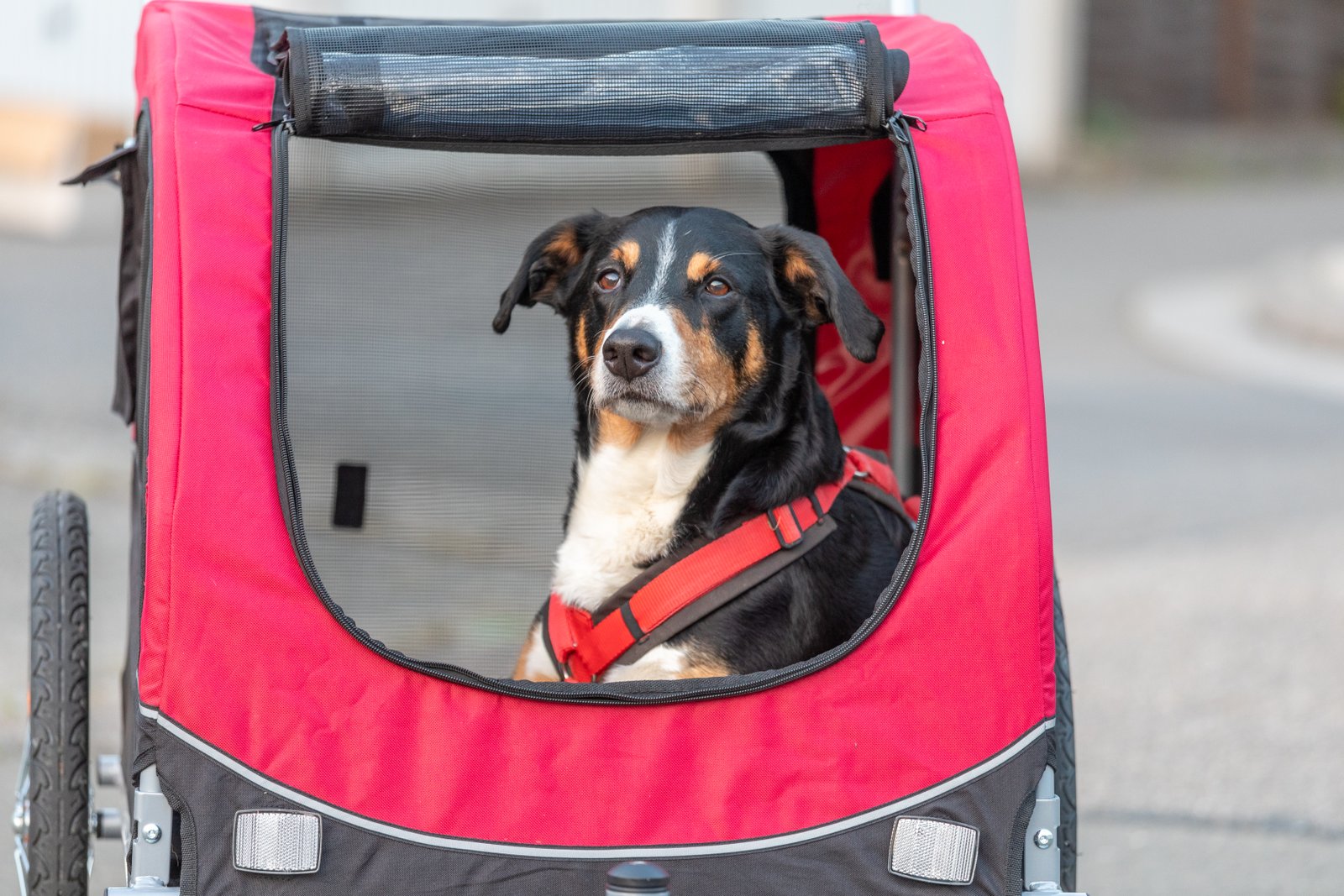
- Secure vehicle interiors for road travel
- Regular hydration and comfort checks
Ask for details about crate sizing, bedding, and feeding schedules during transit.
5. Understand Their Pet Relocation Tips and Guidance
A trustworthy company doesn’t just move your pet, they educate you. Look for providers that offer clear pet relocation tips, such as:
- How to prepare your pet emotionally for travel
- Feeding guidelines before and after transport
- Crate training advice
- Post-travel health monitoring
These tips significantly reduce travel-related stress and medical complications.
Medical Considerations Every Pet Owner Must Know
As a certified medical content specialist, it’s important to highlight the health aspects of pet relocation.
Pre-Travel Health Assessment
Your pet should undergo a full veterinary examination to assess:
- Heart and respiratory health
- Vaccination status
- Parasite prevention
- Fitness for travel
Pets with heart disease, arthritis, or anxiety disorders may require customised relocation plans.
Sedation: What You Should Know
Sedation is not routinely recommended for pets during travel due to risks such as:
- Respiratory depression
- Loss of balance
- Increased anxiety at altitude
Professional pet relocation services avoid sedation unless prescribed by a licensed veterinarian for medical reasons.
Hydration and Nutrition During Transit
Dehydration is a common risk during long journeys. Reliable providers ensure:
- Access to water at scheduled intervals
- Light feeding schedules
- Monitoring for signs of nausea or distress
Domestic vs. International Pet Relocation Services
Domestic Pet Relocation
Often managed via road or short flights, domestic relocation focuses on:
- Shorter transit times
- Familiar climate conditions
- Minimal documentation
International Pet Relocation Services
More complex and medically sensitive, involving:
- Long-haul flights
- Strict import/export laws
- Extended crate time
Choosing experienced international pet relocation services is essential for global moves.
Role of Packers and Movers in Pet Relocation
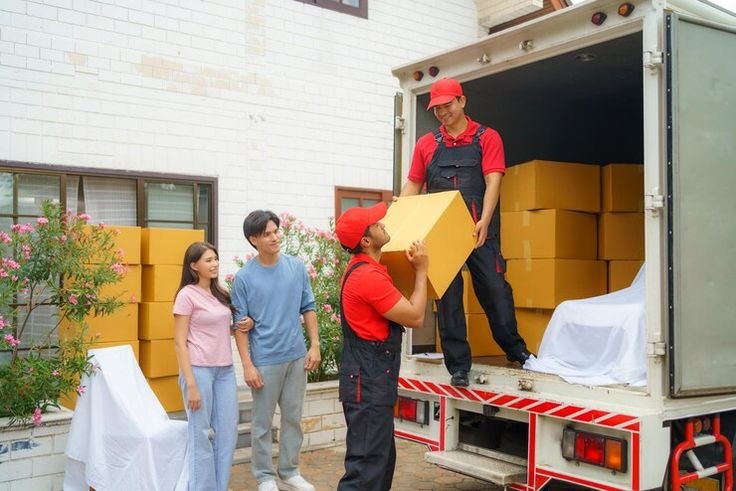
While traditional packers and movers handle household goods, not all are qualified to move pets. However, integrated logistics companies like Quick Packers Movers offer coordinated solutions where your home and pet relocation are managed together, reducing chaos and ensuring better planning.
Red Flags to Avoid When Choosing Pet Relocation Services
Be cautious if a provider:
- Promises “zero stress” or unrealistic guarantees
- Avoids discussing medical risks
- Lacks transparent pricing
- Cannot explain legal or veterinary requirements
Ethical pet relocation services are honest about challenges and focus on safety over speed.
Why Choose Quick Packers Movers for Pet Relocation
Quick Packers Movers combines logistics expertise with pet-centric care. Their approach emphasises:
- Compliance with veterinary and legal standards
- Personalised relocation plans
- Clear communication with pet owners
- Compassionate handling throughout the journey
Their experience with pet relocation services, dog transport service, and cat relocation services makes them a reliable choice in 2026.
Frequently Asked Questions (FAQs)
1. What are pet relocation services?
Pet relocation services manage the safe, legal, and medically appropriate transportation of pets during domestic or international moves.
2. How early should I book a pet relocation company?
Ideally, 4–8 weeks in advance, especially for international pet relocation services, to allow time for medical tests and documentation.
3. Are cat relocation services different from dog transport services?
Yes. Cats require quieter environments and minimal handling, while dogs often need more frequent movement and reassurance.
4. Can pets travel without their owners?
Yes, professional pet relocation services can transport pets independently while ensuring safety and compliance.
5. Is sedation safe for pets during travel?
Sedation is generally avoided unless medically necessary and prescribed by a veterinarian.
6. How do I know if my pet is fit to travel?
A licensed veterinarian must perform a pre-travel health assessment and issue a fitness-to-travel certificate.
Conclusion: Making the Right Choice for Your Pet in 2026
Choosing the best pet relocation services in 2026 requires careful evaluation of medical knowledge, safety standards, experience, and ethical practices. Pets rely entirely on us for their safety and comfort, especially during major life changes like relocation.
By working with a trusted provider like Quick Packers Movers, you can ensure your pet’s journey is handled with professionalism, compassion, and medical responsibility. If you’re planning a move, consider consulting their team to discuss your pet’s unique needs and receive expert guidance.
.webp)
.webp)
.webp)











.jpg)



.png)


.png)















.webp)

















.jpg)