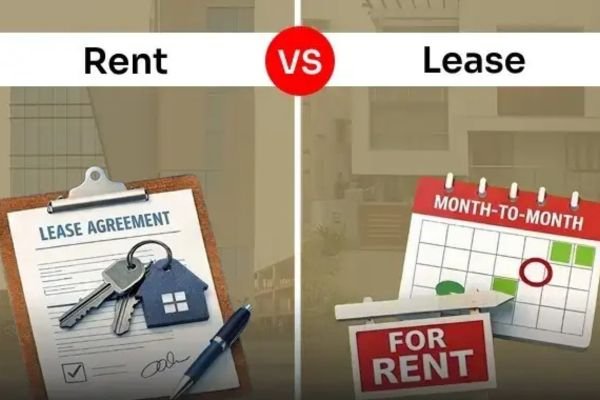
Choosing the right legal document is one of the most important steps when renting a property. In 2026, tenants and landlords in India are increasingly aware of the need to understand the difference between a Rental Agreement vs Lease Agreement before signing any contract.
While both documents govern the relationship between a tenant and a property owner, they differ significantly in terms of duration, legal implications, flexibility, and registration requirements. Misunderstanding these differences can lead to disputes, financial losses, or legal complications.
Whether you are moving into a new home or renting out a property, understanding the nuances of a Rental Agreement and a Lease Agreement is essential. Additionally, relocation services like Quick Packers Movers can simplify the moving process, allowing tenants to focus on legal and practical aspects of renting.
This detailed guide explains the key differences between rental and lease agreements, their legal importance, and how to choose the right option in 2026.
What is a Rental Agreement?
A Rental Agreement is a short-term legal contract between a landlord and a tenant that outlines the terms and conditions of renting a property.
Key Features of a Rental Agreement:
- Typically valid for 11 months
- Renewable after the expiry period
- Flexible terms and conditions
- Usually does not require mandatory registration (in some cases)
A Rent Agreement in Delhi often follows the 11-month format to simplify documentation and avoid complex registration procedures.
What is a Lease Agreement?
A Lease Agreement is a long-term contract that provides more stability and legal security for both parties.
Key Features of a Lease Agreement:
- Duration usually 12 months or more
- Legally binding and more structured
- Requires formal registration in most cases
- Fixed terms with limited flexibility
A lease rental agreement is commonly used for commercial properties or long-term residential arrangements.
Rental Agreement vs Lease Agreement: Key Differences
Understanding the difference between a Rental Agreement vs Lease Agreement is crucial for making informed decisions.
1. Duration of Agreement
- Rental Agreement: Short-term (usually 11 months)
- Lease Agreement: Long-term (1 year or more)
Short-term agreements offer flexibility, while long-term agreements provide stability.
2. Flexibility
- Rental Agreement: Can be modified or renewed easily
- Lease Agreement: Fixed terms with limited changes
Tenants who expect frequent relocation may prefer a Rental Agreement.
3. Legal Formalities
- Rental Agreement: May not always require registration
- Lease Agreement: Requires legal registration
For example, Rental Agreement Registration in Delhi becomes mandatory if the agreement exceeds the standard duration.
4. Rent Revision
- Rental Agreement: Rent can be revised during renewal
- Lease Agreement: Rent remains fixed during the lease period
5. Security and Stability
- Rental Agreement: Less secure for long-term planning
- Lease Agreement: Provides long-term security
6. Usage
- Rental Agreement: Common for residential properties
- Lease Agreement: Often used for commercial or long-term residential use
Understanding Rental Lease Agreement Concepts
The terms rental lease agreement or lease rental agreement are often used interchangeably, but they generally refer to formal contracts that combine aspects of both rental and lease structures.
These agreements may include:
- Defined tenure
- Fixed rent clauses
- Maintenance responsibilities
- Legal obligations
Understanding these hybrid agreements helps tenants and landlords choose the right option based on their needs.
Legal Aspects of Rent Agreement in Delhi
A Rent Agreement in Delhi involves specific legal requirements that must be followed.
Key Legal Requirements:
- Stamp paper documentation
- Aadhaar and ID proof
- Passport-size photographs
- Police verification
In addition, Rental Agreement Registration in Delhi is required for agreements exceeding 11 months.
Importance of Rental Agreement Registration
Registering a Rental Agreement provides legal protection and reduces the risk of disputes.
Benefits of Registration:
- Legal validity in court
- Protection against fraud
- Clear documentation of terms
Although short-term agreements may not require registration, it is always advisable to formalise the contract.
Health and Well-Being in Rental Living
While legal agreements focus on financial and legal aspects, they also indirectly impact health and well-being.
1. Secure Living Environment
A properly documented agreement ensures safety and reduces stress.
2. Stable Housing Conditions
Long-term Lease Agreements provide stability, which supports mental well-being.
3. Hygienic Living Standards
Clear maintenance clauses ensure proper sanitation and hygiene, reducing health risks.
Choosing Between Rental Agreement and Lease Agreement
The choice between a Rental Agreement vs Lease Agreement depends on individual needs.
Choose a Rental Agreement If:
- You need short-term accommodation
- You prefer flexibility
- You may relocate frequently
Choose a Lease Agreement If:
- You want long-term stability
- You prefer fixed rent
- You are planning an extended stay
Common Mistakes to Avoid
Many tenants and landlords make avoidable mistakes when dealing with agreements.
1. Not Reading the Contract Carefully
Always review all clauses before signing.
2. Ignoring Legal Requirements
Ensure compliance with Rental Agreement Registration in Delhi if applicable.
3. Relying on Verbal Agreements
Always use written documentation for legal protection.
4. Overlooking Maintenance Terms
Clearly define responsibilities to avoid disputes.
Role of Moving Services in Rental Transitions
Relocating to a new home can be physically demanding. Professional services like Quick Packers Movers help simplify the process.
Benefits:
- Safe transportation of belongings
- Efficient packing and unpacking
- Reduced stress during relocation
This allows tenants to focus on legal formalities and settling into their new homes.
Future Trends in Rental Agreements in 2026
The rental market in India is evolving with changing legal frameworks and technology.
Emerging Trends:
- Digital rental agreements
- Online registration processes
- Smart contracts and documentation
- Increased tenant awareness
These developments are making the process of creating a rental lease agreement more transparent and efficient.
Frequently Asked Questions (FAQs)
1. What is the difference between a Rental Agreement and a Lease Agreement?
A Rental Agreement is short-term and flexible, while a Lease Agreement is long-term and legally binding.
2. Is Rental Agreement Registration mandatory in Delhi?
Yes, Rental Agreement Registration in Delhi is required for agreements longer than 11 months.
3. Which agreement is better for tenants?
It depends on needs. A Rental Agreement suits short-term stays, while a Lease Agreement is better for long-term stability.
4. Can rent be increased during a lease period?
No, rent usually remains fixed during the lease duration.
5. What documents are required for a Rent Agreement in Delhi?
ID proof, photographs, and stamp paper are required for a Rent Agreement in Delhi.
6. Are verbal rental agreements valid?
Verbal agreements are not legally secure. Written agreements are always recommended.
Conclusion
Understanding the difference between a Rental Agreement vs Lease Agreement is essential for anyone involved in renting property in 2026. While a Rental Agreement offers flexibility and short-term convenience, a Lease Agreement provides long-term stability and legal security.
Factors such as duration, legal requirements, and personal needs should guide your decision. Proper documentation, including Rental Agreement Registration in Delhi, ensures legal protection and smooth rental experiences.
For individuals planning to relocate, professional services like Quick Packers Movers can make the transition easy and stress-free.
By making informed decisions and understanding legal aspects, tenants and landlords can create a secure and hassle-free rental experience.
.webp)
.webp)
.webp)











.jpg)



.png)


.png)

















.webp)























.jpg)