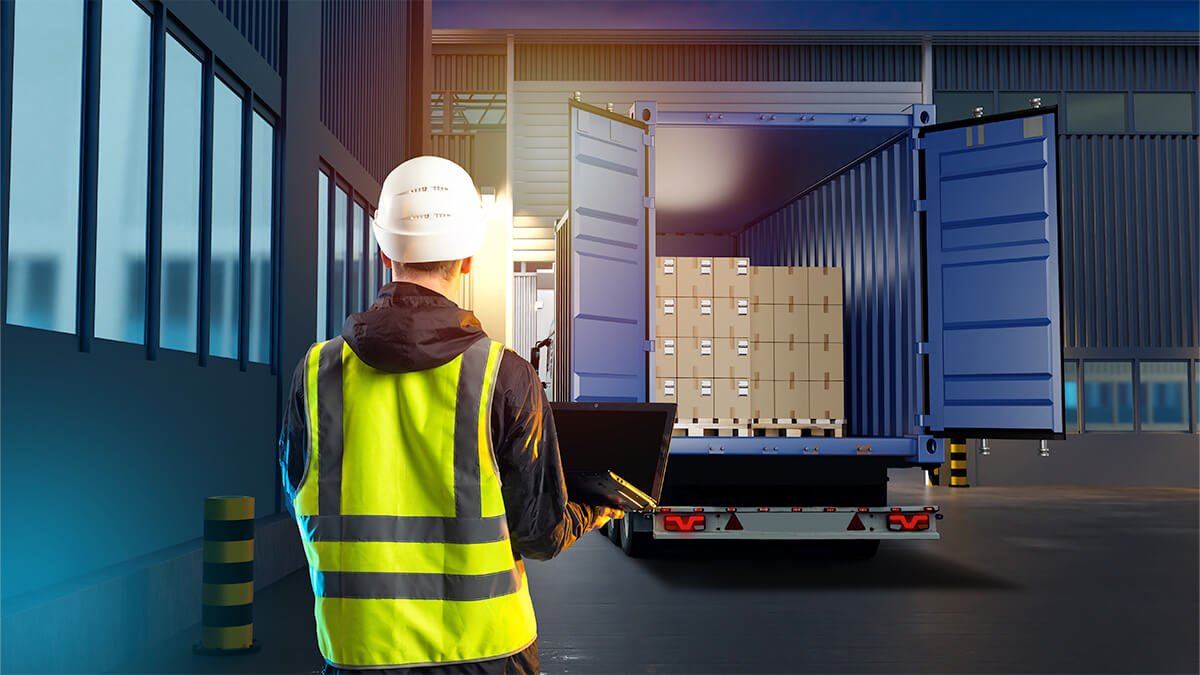
In today’s fast-paced and technology-driven marketplace, Logistics Management has become one of the most important elements of successful business operations. Companies are no longer judged only by the quality of their products but also by how efficiently those products reach customers. From e-commerce brands to large manufacturing industries, every business relies heavily on Supply Chain and Logistics systems to manage inventory, transportation, warehousing, and delivery processes.
In 2026, businesses are increasingly investing in smarter and more efficient Logistics Solutions for Businesses to reduce operational costs, improve delivery speed, and enhance customer satisfaction. Efficient logistics systems help organisations streamline operations, minimise delays, and maintain better control over their supply chain.
Professional service providers like Quick Packers Movers help businesses manage transportation, warehousing, and distribution more effectively, allowing companies to focus on their core operations.
In this blog, we will explore the Top 10 Benefits of Logistics for Modern Businesses in 2026, understand the Importance of Logistics Management, and learn how companies can improve performance through better logistics planning.
Understanding Logistics Management in Modern Businesses
Logistics Management refers to the process of planning, implementing, and controlling the movement and storage of goods, services, and information from the point of origin to the point of consumption.
It involves several important activities such as:
- Transportation management
- Inventory control
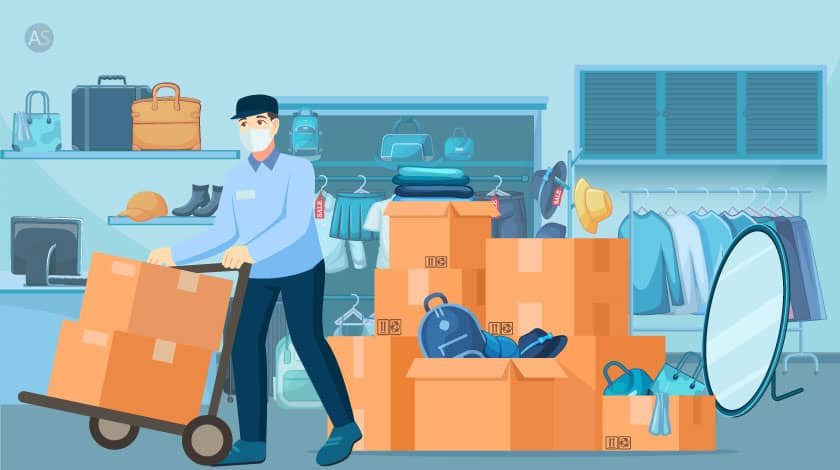
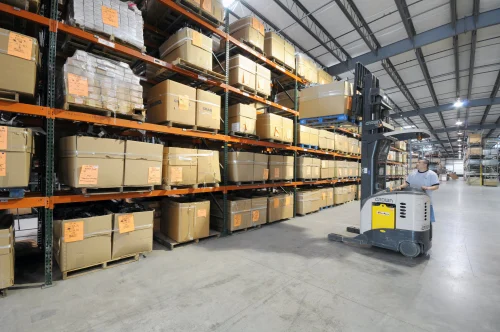
- Warehousing and storage
- Order fulfillment
- Packaging and distribution
- Supply chain coordination
Efficient Logistics for Business ensures that the right products are delivered to the right place at the right time while maintaining cost efficiency and service quality.
As businesses continue to expand globally, the Importance of Logistics Management becomes even more critical for maintaining smooth operations and meeting customer expectations.
Types of Logistics Used in Modern Businesses
Before exploring the benefits, it is important to understand the different Types of logistics used in modern supply chain operations.
1. Inbound Logistics
Inbound logistics involves the transportation and storage of raw materials from suppliers to manufacturing facilities. It ensures that production processes run smoothly without delays.
2. Outbound Logistics
Outbound logistics focuses on delivering finished products from warehouses to distributors, retailers, or end customers.
3. Reverse Logistics
Reverse logistics manages product returns, recycling, repairs, or disposal. It plays a major role in sustainability and customer service.
4. Third-Party Logistics (3PL)
Many companies outsource logistics tasks to specialised service providers who offer warehousing, transportation, and distribution support.
Understanding these Types of logistics helps businesses create efficient Logistics Solutions for Businesses that improve productivity and operational efficiency.
Top 10 Benefits of Logistics Management for Businesses in 2026
1. Improved Operational Efficiency
One of the biggest Benefits of Logistics is improved operational efficiency. A well-organised logistics system ensures that goods move smoothly through the supply chain without unnecessary delays or disruptions.
Efficient Supply Chain and Logistics management helps businesses:
- Reduce transportation delays
- Optimise warehouse operations
- Improve order processing speed
When logistics processes are optimised, businesses can operate more smoothly and serve customers more efficiently.
2. Reduced Operational Costs
Cost reduction is a major objective of modern Logistics Management. Efficient logistics planning allows companies to reduce expenses related to transportation, storage, and inventory management.
Businesses can minimise costs by:
- Optimising delivery routes
- Reducing excess inventory
- Using efficient transportation methods
- Avoiding warehouse congestion
Professional logistics providers such as Quick Packers Movers help businesses design cost-effective logistics strategies that improve profitability.
3. Faster Delivery and Improved Customer Satisfaction
In the era of same-day and next-day delivery, speed is a critical factor for customer satisfaction.
Efficient Logistics for Business ensures that products reach customers quickly and safely. Faster deliveries help businesses:
- Improve customer experience
- Increase repeat purchases
- Build a strong brand reputation
Reliable delivery services supported by modern logistics systems help businesses stay competitive in the rapidly growing e-commerce market.
4. Better Inventory Management
Inventory management is a key component of Logistics Management. Proper logistics planning allows businesses to maintain the right balance between supply and demand.
Benefits include:
- Reduced risk of stock shortages
- Avoidance of overstocking
- Improved warehouse organization
- Accurate inventory tracking
Advanced logistics systems use digital tools and real-time tracking to improve inventory visibility and control.
5. Stronger Supply Chain Coordination
Modern Supply Chain and Logistics systems connect suppliers, manufacturers, distributors, and retailers into one integrated network.
Efficient logistics management helps businesses:
- Improve communication between supply chain partners
- Reduce production delays
- Maintain consistent product availability
Stronger coordination leads to smoother operations and improved business performance.
6. Increased Business Scalability
As businesses grow, their logistics needs also become more complex. Efficient Logistics Solutions for Businesses make it easier for companies to expand their operations without disruptions.
Scalable logistics systems help businesses:
- Enter new markets
- Increase product distribution
- Manage higher-order volumes
Companies that invest in strong logistics infrastructure can grow faster and adapt to changing market demands.
7. Improved Risk Management
Logistics systems also play an important role in managing business risks. Delays, damaged goods, and transportation disruptions can affect customer satisfaction and profitability.
Efficient Logistics Management helps businesses identify potential risks and implement strategies to minimise them.
Risk management strategies include:
- Shipment tracking systems
- Safe packaging methods
- Backup transportation plans
- Warehouse safety protocols
Professional logistics providers help businesses reduce risks and maintain consistent service quality.
8. Enhanced Data and Technology Integration
In 2026, logistics operations rely heavily on technology such as:
- Artificial intelligence
- Real-time shipment tracking
- Warehouse automation
- Data analytics
These technologies help companies monitor and optimise their Supply Chain and Logistics operations.
With advanced technology integration, businesses can:
- Track shipments in real time
- Analyse delivery performance
- Improve demand forecasting
Technology-driven logistics systems significantly improve decision-making and operational transparency.
9. Competitive Advantage in the Market
Companies with strong Logistics Management systems often gain a competitive advantage over competitors.
Efficient logistics operations allow businesses to:
- Deliver products faster
- Maintain consistent product availability
- Offer better customer service
Businesses that invest in professional Logistics Solutions for Businesses are better positioned to succeed in highly competitive markets.
10. Supports Sustainable Business Practices
Sustainability is becoming an important priority for modern businesses. Logistics systems now focus on reducing environmental impact through efficient transportation and resource management.
Eco-friendly logistics strategies include:
- Route optimisation to reduce fuel consumption
- Use of electric vehicles
- Sustainable packaging materials
- Efficient warehouse energy usage
These practices not only reduce environmental impact but also improve brand reputation among environmentally conscious consumers.
Objectives of Logistics in Modern Business Operations
Understanding the Objectives of logistics helps organisations design efficient supply chain strategies.
The main objectives include:
- Ensuring the timely delivery of goods
- Reducing transportation and operational costs
- Improving customer satisfaction
- Maintaining proper inventory levels
- Enhancing coordination across supply chain partners
Meeting these objectives allows businesses to maximise the Benefits of Logistics and maintain smooth operations.
The Growing Importance of Logistics Management in 2026
The Importance of Logistics Management has grown significantly due to several global trends, such as:
- Rapid growth of e-commerce
- Increasing customer expectations for faster delivery
- Expansion of global trade
- Technological advancements in supply chain systems
Businesses now rely on advanced Logistics for Business strategies to remain competitive and maintain operational efficiency.
Companies that partner with experienced logistics providers like Quick Packers Movers can simplify complex logistics operations and focus on growth and innovation.
Frequently Asked Questions (FAQs)
1. What is Logistics Management?
Logistics Management is the process of planning, implementing, and controlling the movement, storage, and distribution of goods from suppliers to customers efficiently.
2. Why is Logistics Important for Businesses?
The Importance of Logistics Management lies in improving operational efficiency, reducing costs, enhancing customer satisfaction, and ensuring timely product delivery.
3. What are the main Types of Logistics?
The main Types of logistics include inbound logistics, outbound logistics, reverse logistics, and third-party logistics services.
4. How does Logistics improve Supply Chain efficiency?
Efficient Supply Chain and Logistics systems improve coordination between suppliers, manufacturers, and distributors, reducing delays and improving product availability.
5. What are the key Objectives of logistics?
The primary Objectives of logistics include timely delivery, cost reduction, improved customer satisfaction, efficient inventory management, and optimised transportation.
6. How can logistics providers help businesses grow?
Professional logistics providers offer advanced Logistics Solutions for Businesses such as transportation planning, warehousing, inventory management, and distribution support, helping companies scale efficiently.
Conclusion
In the modern business environment, Logistics Management plays a crucial role in improving efficiency, reducing operational costs, and delivering better customer experiences. As businesses continue to expand in 2026, efficient Supply Chain and Logistics systems are becoming essential for long-term success.
From improving inventory management to enabling faster deliveries and supporting sustainable operations, the Benefits of Logistics are significant for organisations of all sizes.
By partnering with experienced logistics service providers like Quick Packers Movers, businesses can simplify complex logistics operations and ensure smooth product movement across the supply chain.
If your business wants to improve efficiency, reduce operational costs, and deliver better customer experiences, consulting professional logistics experts can be a valuable step toward long-term growth.
.webp)
.webp)
.webp)










.jpg)



.png)


.png)














.webp)

















.jpg)