.png "Cost of Living in Gurgaon 2026: Your Complete Guide to Prices & Lifestyle")
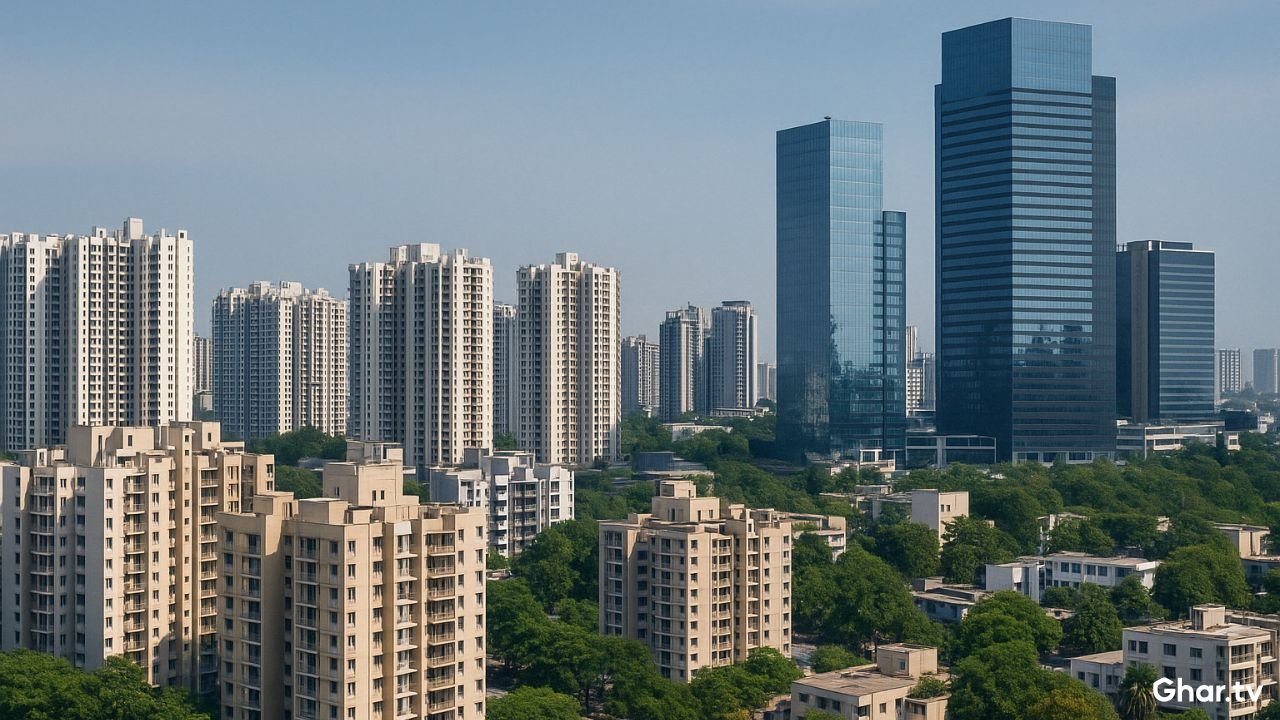
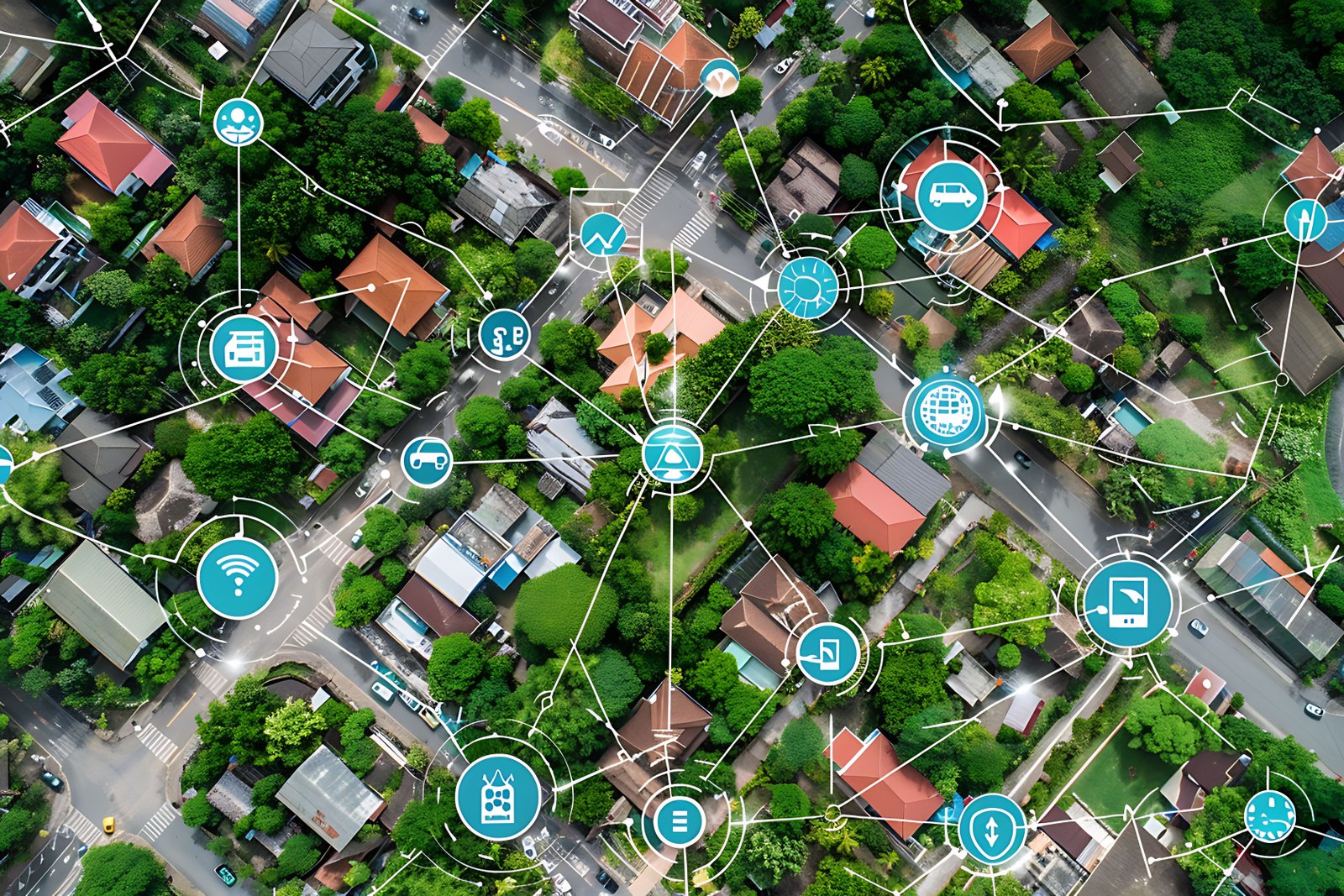
Gurgaon, officially known as Gurugram, has transformed from a sleepy agricultural town into a bustling millennium city, a gleaming hub of corporate offices, luxury living, and a vibrant lifestyle. As we look towards 2026, many prospective residents and professionals are curious about what it truly costs to live in this dynamic city. This comprehensive guide breaks down the expected expenses, helping you plan your finances and make informed decisions about moving to Gurgaon.
Why Gurgaon? The Allure of the Millennium City
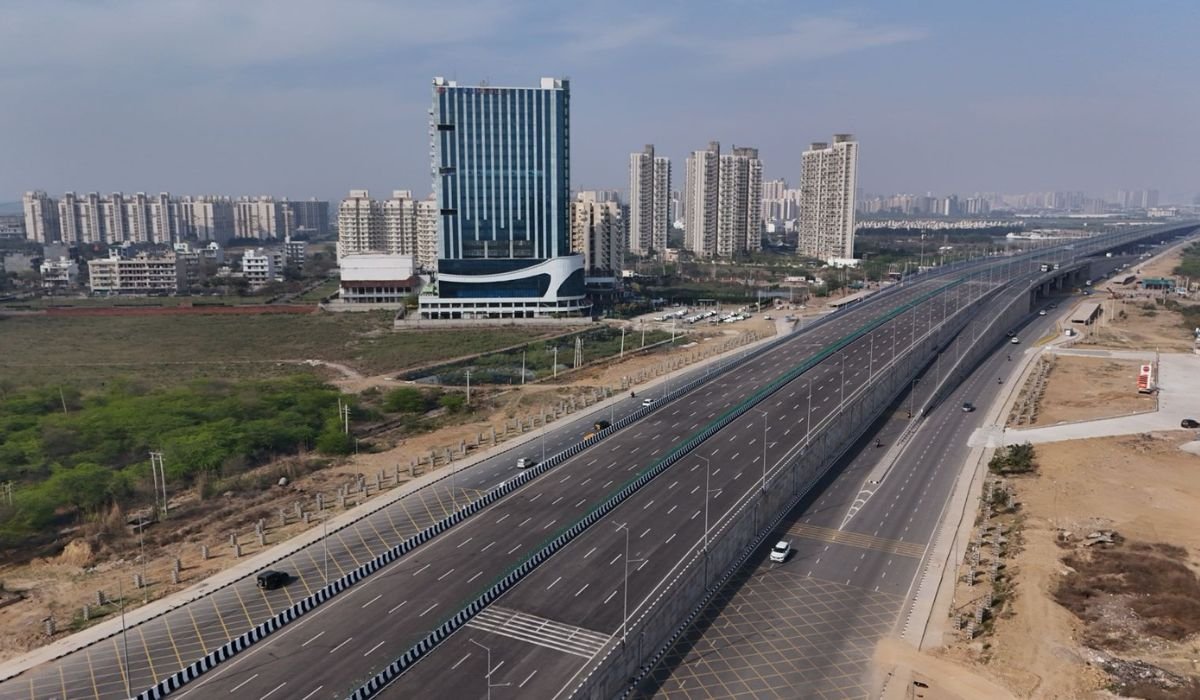
Before diving into the numbers, it's essential to understand Gurgaon's appeal. It's a magnet for job seekers in IT, finance, and automotive sectors, offering unparalleled career opportunities. Beyond work, Gurgaon boasts world-class infrastructure, leading educational institutions, top-tier healthcare facilities, and an exciting social scene with malls, restaurants, and entertainment options galore. This blend of professional growth and modern amenities often comes with a higher price tag compared to other Indian cities, a reality we'll explore in detail.
Understanding the Cost of Living in Gurgaon 2026
Predicting exact figures for 2026 requires some projection, factoring in inflation, economic growth, and real estate trends. We'll categorize expenses to give you a clear picture.
1. Accommodation: The Biggest Chunk
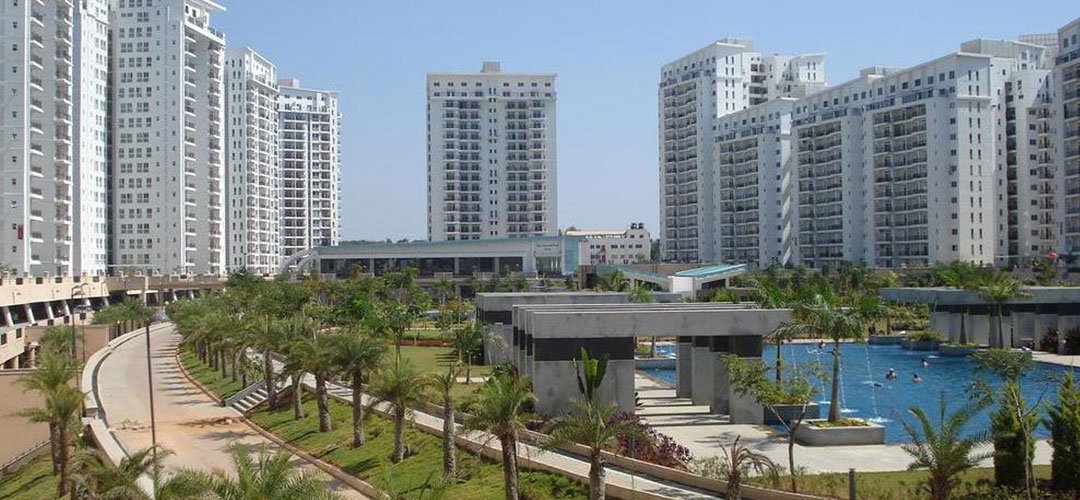
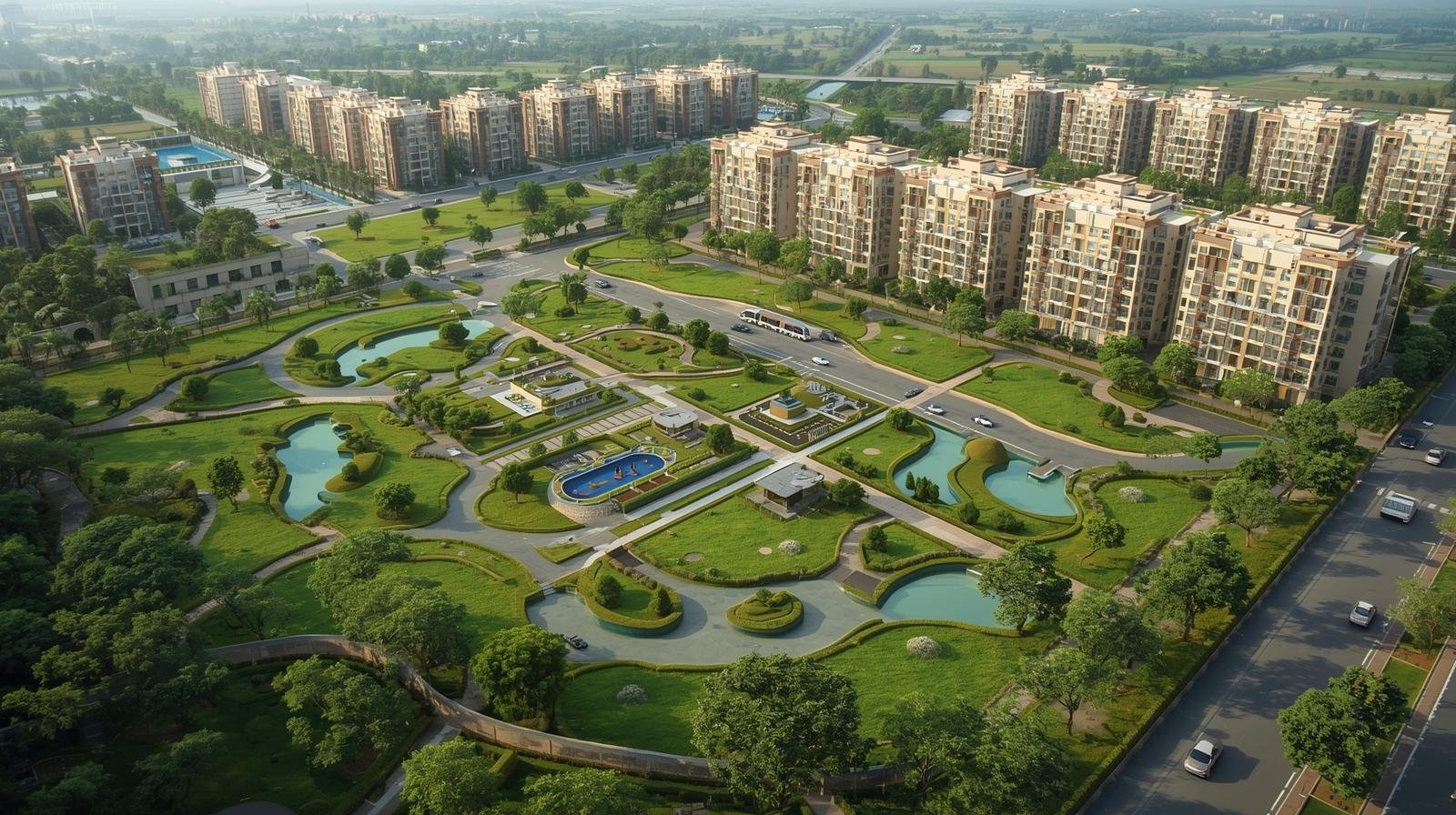
Housing will likely be your largest expense in Gurgaon. The cost varies significantly based on location, type of accommodation, and amenities.
-
Renting (Apartments/Flats):
-
1 BHK (Bachelor/Couple): Expect to pay anywhere from ?12,000 to ?25,000 per month. Areas like Sector 56, Palam Vihar, and parts of Sohna Road might offer more affordable options, while sectors along Golf Course Road or Cyber City will be significantly higher.
-
2 BHK (Small Family): Prices could range from ?20,000 to ?45,000, depending on the locality and builder.
-
3 BHK (Larger Family): For more spacious living, prepare for ?35,000 to ?70,000+, especially in premium societies or prime locations.
-
PG/Co-living Spaces: A popular option for students and bachelors, these can range from ?7,000 to ?15,000, often including food and utilities.
Key Trend: Rental prices are expected to see a steady increase, particularly in well-connected areas and those with new commercial developments.
-
-
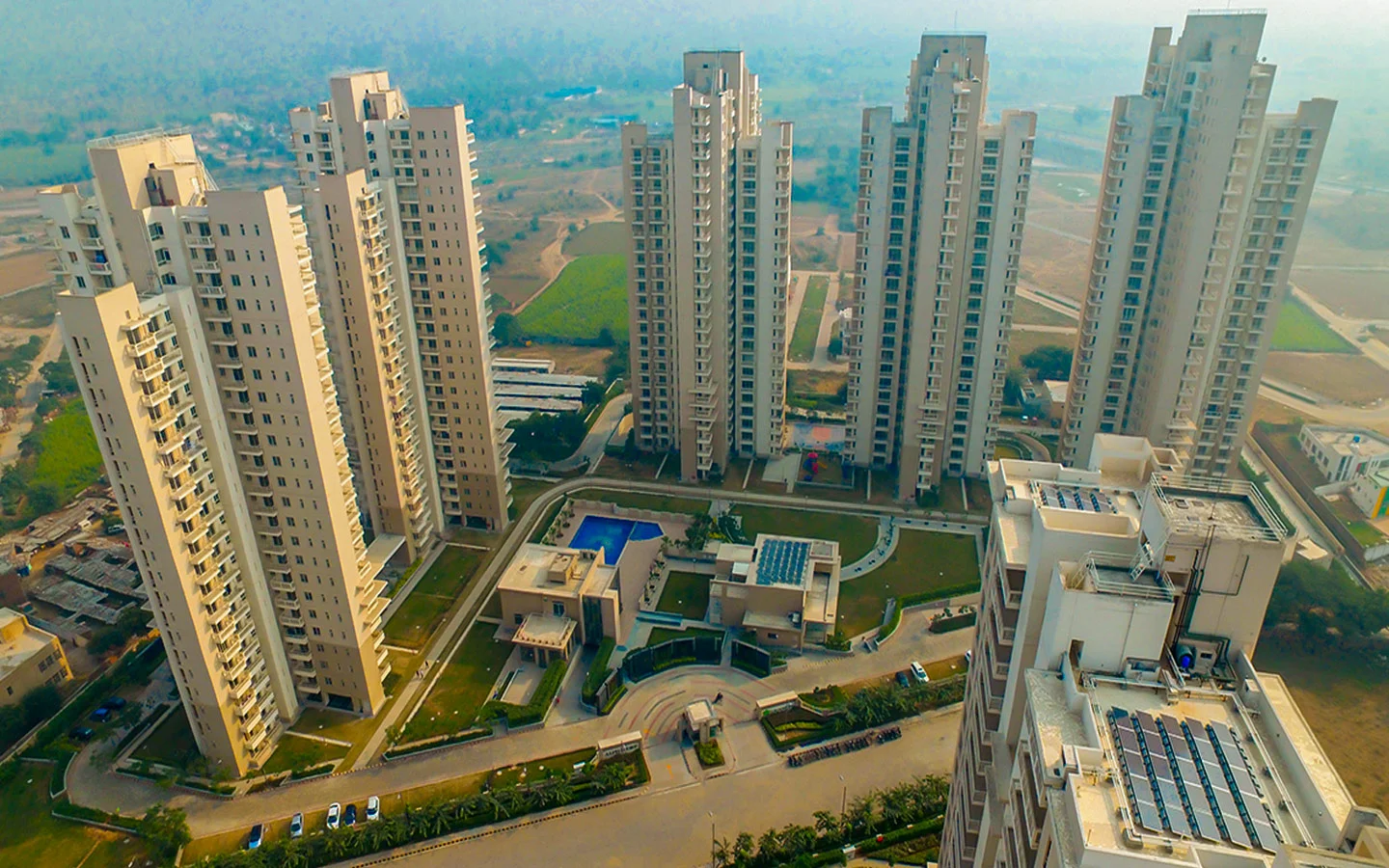
Buying Property:
-
If you're considering buying, prices per square foot vary drastically, from ?6,000 in emerging areas to ?20,000+ in luxury segments. This is a significant investment and should be planned meticulously.
-
2. Transportation: Getting Around
Gurgaon has a mix of public and private transportation.
-
Public Transport:
-
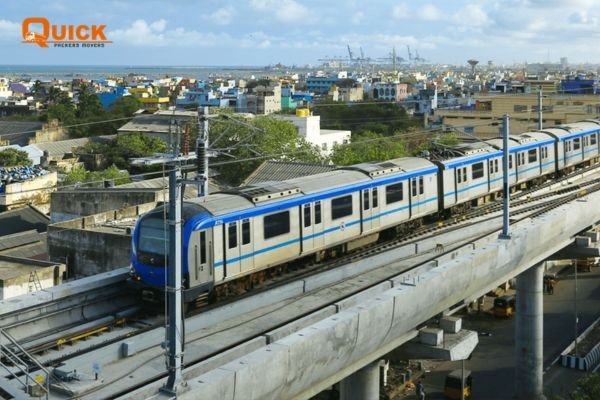
Metro: The Delhi Metro (Yellow Line) and Rapid Metro cover key areas. A monthly pass or daily rides could cost ?1,000 - ?2,500, depending on usage.
-
Buses: Local bus services are available but less extensive than other modes.
-
Auto-rickshaws & Cabs (Ola/Uber): These are prevalent. A typical daily commute could average ?100-?300, adding up to ?3,000 - ?9,000 per month for regular users. Surge pricing can significantly impact costs.
-
-
Private Vehicle:
-
Fuel: With fluctuating fuel prices, a car owner might spend ?4,000 - ?8,000+ per month on petrol/diesel, depending on commute distance.
-
Maintenance & Parking: Budget an additional ?1,000 - ?3,000 monthly for these overheads.
-
3. Food & Groceries: Dining In & Out
-
Groceries (Monthly): For an individual or small family cooking at home, groceries might cost ?4,000 to ?8,000 per month. This can increase with a preference for organic or gourmet products.
-
Dining Out: Gurgaon is a foodie's paradise.
-
Budget Eateries/Dhabas: A meal for one can be ?150 - ?300.
-
Mid-range Restaurants: A meal for two could cost ?800 - ?2,000.
-
Fine Dining: Expect ?2,500+ for two.
-
Food Delivery Apps: Swiggy/Zomato are popular but add delivery charges.
Key Trend: Food prices, especially for fresh produce and packaged goods, are subject to inflation. Dining out costs are likely to rise with increasing demand and premium experiences.
-
4. Utilities: Keeping the Lights On
-
Electricity: ?1,500 - ?4,000+ per month (heavily dependent on AC usage, especially in summers).
-
Water: Often included in rent or minimal (?300 - ?800).
-
Piped Gas/LPG Cylinder: ?500 - ?1,000 (LPG refills are subject to government pricing).
-
Internet/Broadband: ?700 - ?1,200 per month for a decent speed plan.
-
Mobile Phone: ?300 - ?700 per month for a good data and calling plan.
5. Education & Healthcare: Essential Services
-
Education:
-
Preschools/Daycares: ?5,000 - ?15,000 per month.
-
Private Schools (Primary/Secondary): Annual fees can range from ?80,000 to ?3,00,000+, not including admission fees, books, and uniforms.
-
Higher Education: Varies significantly by course and institution.
-
-
Healthcare:
-
Consultation: A general physician might charge ?500 - ?1,000. Specialists can charge ?1,000 - ?2,500+.
-
Medicines: Varies based on individual needs.
-
Health Insurance: Highly recommended.
-
6. Lifestyle & Entertainment: The Fun Factor
-
Shopping: Malls like Ambience, Cyber Hub, and MGF Metropolitan offer diverse retail experiences. Budget as per your preferences.
-
Gym/Fitness Memberships: ?1,000 - ?4,000 per month.
-
Movies/Concerts: A movie ticket can be ?250 - ?500+. Concerts and events vary greatly.
-
Miscellaneous: Haircuts, salon visits, personal care products, household help (if applicable - ?2,000 - ?5,000+ for part-time help).
Estimated Monthly Budget for Gurgaon (2026 Projections)
Here's a rough breakdown for different lifestyles:
-
Bachelor/Student (Frugal): ?18,000 - ?30,000 (PG, shared transport, home-cooked meals)
-
Individual Professional (Comfortable): ?35,000 - ?60,000 (1 BHK, mix of transport, dining out occasionally)
-
Couple/Small Family (Comfortable): ?55,000 - ?90,000 (2 BHK, own vehicle/cabs, dining out, some entertainment)
-
Family with Kids (Premium): ?80,000 - ?1,50,000+ (3 BHK, private vehicle, school fees, premium lifestyle)
Please Note: These are estimates. Your actual expenses will depend entirely on your lifestyle choices, income, and spending habits.
Tips for Managing Costs in Gurgaon
-
Choose Accommodation Wisely: Research localities thoroughly. Consider co-living or shared accommodation to save significantly.
-
Optimize Commute: Utilize the Metro, carpooling, or company transport if available.
-
Cook at Home: Eating out frequently can burn a hole in your pocket.
-
Budget for Utilities: Be mindful of electricity consumption, especially AC usage.
-
Look for Deals: Use apps for discounts on food, groceries, and entertainment.
-
Build an Emergency Fund: Always have savings for unexpected expenses.
Conclusion
Gurgaon in 2026 promises continued growth and opportunities, but it also comes with a cost of living that reflects its premium status. By understanding the various expense categories and planning meticulously, you can enjoy all that the Millennium City has to offer without financial strain. While not the cheapest city, the quality of life, career prospects, and modern amenities often justify the investment for many.
FAQ: Cost of Living in Gurgaon 2026
Q1: Is Gurgaon an expensive city to live in compared to other Indian metros? A1: Yes, Gurgaon is generally considered one of the most expensive cities in India, particularly concerning rent and property prices, on par with or sometimes even exceeding parts of Mumbai and Bangalore.
Q2: What is the average salary required to live comfortably in Gurgaon in 2026? A2: For a comfortable lifestyle as an individual professional, a monthly take-home salary of ?50,000 - ?80,000 is often recommended. For a family, this figure would be significantly higher, depending on the number of dependents and lifestyle choices.
Q3: Which areas in Gurgaon are more affordable for renting? A3: Areas like Sector 56, Palam Vihar, parts of Sohna Road, and some older sectors can offer relatively more affordable rental options compared to prime locations like DLF Cyber City or Golf Course Road.
Q4: Can I manage without a private car in Gurgaon? A4: Yes, with the expansion of the Metro and the widespread availability of app-based cabs (Ola/Uber) and auto-rickshaws, it is entirely possible to manage without a private car, especially if your workplace is well-connected.
Q5: Are utility costs high in Gurgaon? A5: Electricity bills can be particularly high during the summer months due to extensive air conditioner usage. Internet and mobile plans are competitively priced, similar to other major Indian cities.
Q6: What are the main factors driving the cost of living in Gurgaon? A6: The primary drivers are high demand for real estate (both residential and commercial), excellent infrastructure, a large expatriate and high-income professional population, and the city's status as a major corporate hub.
Q7: Is healthcare expensive in Gurgaon? A7: Gurgaon has many high-quality private hospitals and clinics, which can be expensive. It is highly advisable to have comprehensive health insurance to cover potential medical costs.
Q8: What kind of lifestyle expenses should I budget for in Gurgaon? A8: Beyond necessities, budget for dining out, shopping, entertainment (movies, events), fitness memberships, and personal care. Gurgaon offers a premium lifestyle, and these expenses can add up if not managed.
.webp)
.webp)
.webp)











.jpg)




.png)















.webp)




















.jpg)